01.30.2011

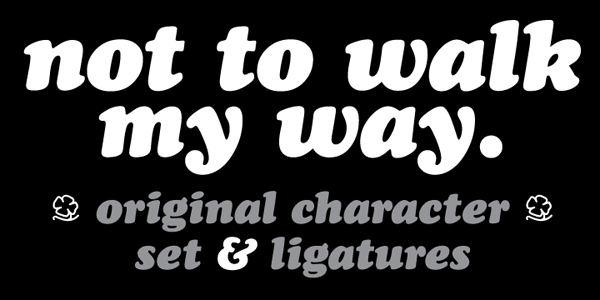
New font release! Cooper Black Swash is a luscious swash version of the American type design classic, Cooper Black.

The history of this typeface:

Cooper Black, the most famous and successful of Oswald Cooper’s type designs was released in 1920, following a year of development fleshing out the weight of the typeface and filling out the full character set. Cooper redrew the lowercase characters multiple times, toying with the rounded forms of the “m” and “n” and engaged in a lively debate with Barnhart Bros. & Spindler foundry Manager Richard McArthur over the final form as McArthur requested that the typeface be drawn bolder and bolder. Cooper famously said the face was “for far-sighted printers with near-sighted customers”, and the public agreed. Sales of Cooper Black were voluminous, and Barnhart Brothers and Spindler had a difficult time keeping up with the demand for the typeface. Conservative typographers were critical of Cooper Black, though it was overwhelmingly popular, helping to shape the American advertising landscape through the 1920s and 1930s.

Cooper released swash characters for his popular Cooper Black Italic, but never an upright set of swash capitals. A number of prototype versions appeared in the 1960s and 1970s, though none have been ushered into the digital age. Cooper Black Swash has been created in the spirit of Oz Cooper’s work and is a design that we believe he’d be quite pleased with!

Available as a webfont, as well!

01.17.2011

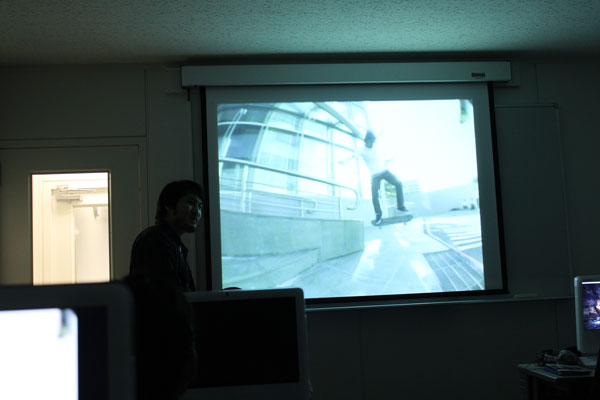
Micke Thorsby/PMKFA will be lecturing tomorrow in my Computer Imaging class at Temple University Japan at 2:45 PM in Room 507 at Azabu Hall. Guests are welcome! Directions are here.

01.14.2011

New project in the Identity section of the site, a full identity for Saga, a swimwear company based in San Francisco.

01.13.2011

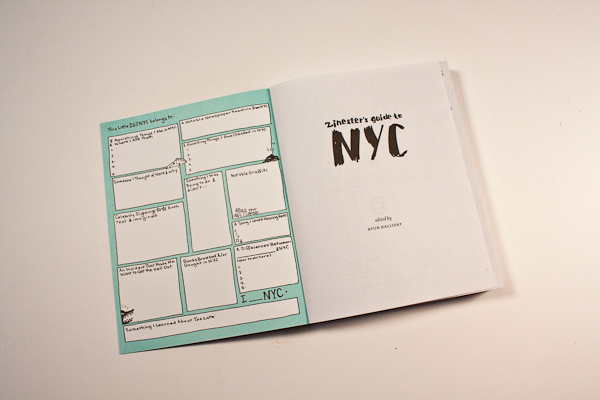
I created the template and typographic standards for The Zinester’s Guide to NYC by Ayun Halliday, published recently by Microcosm Publishing.

Joe Biel did the production and all of the heavy lifting while Nate Beaty held down the cover design and illustration.

01.12.2011

We’ve been doing a roundup of notable events of 2011 over at Néojaponisme including a review of the year in manga, the kanji of the year, a look back at 2011 in Japanese politics, a podcast on otaku culture featuring Matt Alt and Patrick Macias, an overview of trending in the Japanese music industry and the rise of Korean pop stars in Japan.

01.09.2011

My pal Yoshi of Megane zine made a rad dollhouse for his daughter and rocked some of my patterned designs from the Poster Initiative series for wallpaper.

12.27.2010

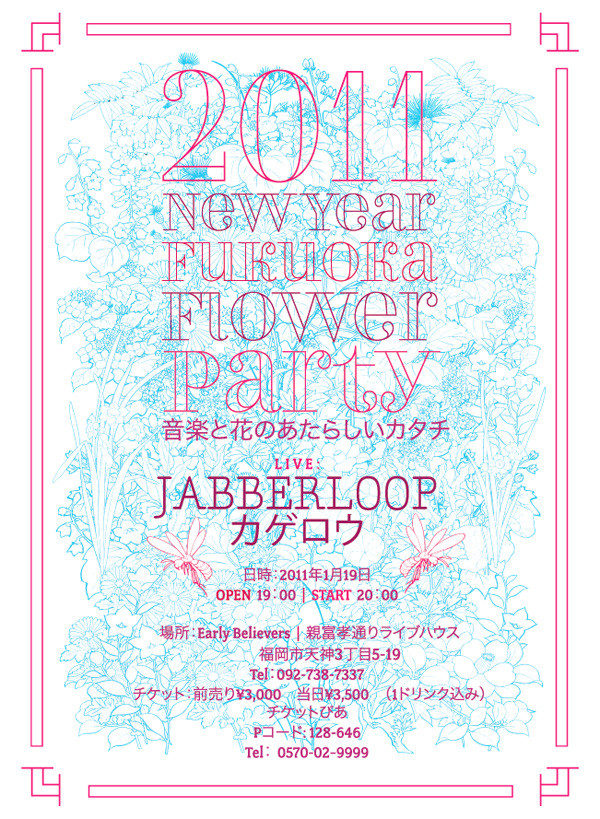
Just finished up a poster/flyer design for the Fukuoka Flower Party- a music event in Kyushu.

12.24.2010

Nice lengthy profile just came out in the Japan Times.

12.24.2010

I wrote a quick article about “screamers”- oversized italic exclamation points that were once a part of the American typographic vernacular, but now appear to live only in formal use in Japan over at Néojaponisme recently. Coinciding with the article is the release of a set of screamers designed by Oz Cooper via Wordshape.

You can download the full Cooper Screamer set via MyFonts/Wordshape.

In other news, the website for Le Pigeon– Portland’s hottest fine dining establishment- has gotten a bit of a revamp. New CSS including @font-face under the hood.

12.24.2010

Big news for the end of the year: my type foundry Wordshape is now offering a selection of typefaces for use on the web. That’s right- full web-fonts for online deployment using @font-face. No better Xmas gift for the web-savvy designer in your life than a web font!

Check out the selection here!

12.23.2010

I’m pleased as punch to have shot some images of Portland’s newest fine dining establishment, Little Bird.

The understated, French-inspired identity we designed for the restaurant came out really nicely across business cards, menus, signage and assorted print ephemera.

Congratulations to Paul, Andy, Gabe, and the other partners in the venture. The restaurant looks beautiful and the food is amazing!

12.23.2010

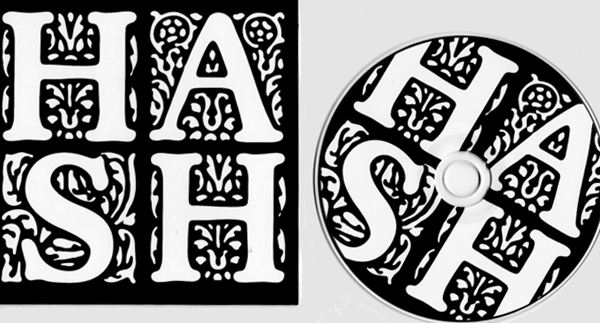
Blunt Mechanic

My album design for Blunt Mechanic was just featured in the article 90 Notable Album covers from 2010 over at Redefine Magazine.

12.22.2010

I have a one-of-a-kind print in the ROM: Space Knight exhibition up at Floating World in Portland, Oregon at present.

The exhibition is a fundraiser for ROM creator Bill Mantlo. You can bid on the print here. The proceeds of sales of the exhibition prints will be directly donated to Bill.

ROM was one of my favorite comic books as a kid, along with Micronauts, Mantlo’s other masterpiece. These series synthesized the perfect balance of late 70s comics- dense story lines, compelling characters, and enough romance to make adolescents feel the onset of puberty encroaching. Amazing, thought-provoking work.

On July 17, 1992, Mantlo was struck by a car. The driver of the car fled the scene and has never been identified. Not wearing a helmet at the time, Mantlo suffered severe head trauma. According to his biographer, David Yurkovich in 2006, “For a while Bill was comatose. Although no longer in a coma, the brain damage he suffered in the accident is irreparable. His activities of daily living are severely curtailed and he resides in a healthcare facility where he receives full-time care.”

In 2007, cartoonist David Yurkovich released the benefit book Mantlo: A Life in Comics, with all proceeds from the book donated to Mantlo’s brother and caregiver, Michael Mantlo, to help toward the costs of maintaining Mantlo’s care.

On December 6, 2007, the Portland, Oregon, comic-book shop Floating World Comics sponsored “Spacenight: A Tribute to Bill Mantlo”, an art show made up entirely of various artists’ interpretations of ROM, to help raise funds for Mantlo’s care.

This exhibition is the next installment of this exhibition series.

12.21.2010

It’s been an interesting week- just finished up a short project helping Fostex with the naming for their new “201” collection of Kotori customizable headphones.

With recent forays into strategy for other brands, as well as holistic identity projects that extend into writing and naming, the scope of what the studio accomplishes feels both more comprehensive and more gratifying.

Thanks to Yuki and Chiemi at IMGSRC for the chance to collaborate on an interesting foray into brand identity.

If you aren’t familiar, the Kotori brand of headphones manufactured by Fostex are pretty much the hottest headphones out there- fully customizable earbuds and Dj headphones with thousands of color combinations. Imagine if NikeID was as rad and customizable as they purport to be. Sadly, available only in Japan.

12.20.2010

I was just interviewed in English and Italian for the Milan Triennale Design Museum / La Triennale di Milano Design Museum by Alice Twemlow, Chair of New York’s School of the Visual Arts’ Design Criticism Department. The interview is featured in A Diary of an Exhibition– the logbook of Graphic Design Worlds, the exhibition that will open in January 2011 at the Triennale Design Museum in Milan.

Curated by Giorgio Camuffo, the exhibition will display the multifarious worlds of graphic design by featuring the work, the ideas and the stories of some of the most interesting designers in the contemporary international scene.

Featured on the blog are texts, interviews, videos, pictures, and photographs, as well as thoughts and considerations, that provide a look behind the scenes of the making of the exhibition.

Read the interview here.

12.15.2010

I just had some work published in a new book of identity design. Details from the publisher:

Designers’ Identities, by Liz Farrelly and published by Laurence King in November 2010 showcases the corporate identities of 76 designers, at various stages of their careers and from around the world, providing blueprints for best practice and inspiration.

For graphic designers no project is more personal or more crucial, both in terms of commercial success and peer-group positioning, than their own corporate identity. From the first hello, to delivering the invoice, designers are judged, again and again, on the quality of their printed and virtual presentation. This includes their
company name, logo, business card, letterhead, website, blog, newsletter, delivery packaging, brochures, promos, even the typeface they choose.

Along with detailed information about formats, materials and methods, the book includes a number of interviews with designers, who talk through their own corporate identity programme and the reactions they have had to this, their most
personal design project.

Details:
350 colour illustrations
290 x 210 mm
272 pages
Paperback

Full overview here.

12.08.2010

The new issue of Idea features an interview with design legend Karel Martens, which I edited.

12.06.2010

I’ll be participating in a really interesting event in Osaka this weekend- an overview of the work of Schtücco, the Tokyo-based graphic design and typography office run by Akiyama Shin. On December 11th at 8pm, I’ll be interviewing Shin onstage about multilingual typography and the development of his design office, as well as its calculated death, as Shin is retiring from the graphic design profession (at least for now).

A super-accomplished typographer, designer and art director, Shin has steered his office through the creation of innumerable projects for cultural clients in Japan and abroad, taking home the Leipzig book award no less than twice.

The interview and accompanying exhibition of a lifetime of graphic design work takes place at Pantaloon in Osaka.

If you are in town, I’d venture that it will be the graphic design event of the year in terms of getting context on an award-winning, comprehensive graphic designer from the 1980s through today.

Roommate, conspirator and fine art photographer Patrick Tsai will be having an exhibition in Osaka this weekend, as well, so no better time to get some visual culture in than Saturday! (Excellent interview with Patrick by Cameron McKean here.)

I’ve been doing a rash of talk shows/on-stage interviews as of late. This past weekend, I spoke about the work of Tokyo-based oil painter Akira as part of a Scotch Malt Whisky Society event called Ménage à Trois which assessed the triumvirate of whiskey, cocktails and fine art. The event was produced by Nonaca in collaboration with Whisk-e, and was an utter smash!

12.03.2010

Out now: Designer’s Whisky- a duo of fantastic Scottish whiskies from Japan/Uk spirits importer/exporter Whisk-e that I designed the labels for.

One is a 13 year old Bowmore from Islay.

The other is a 10 year old Caol Illa.

Both will knock your socks off- premium whiskies in bespoke packaging that is a mix of custom patterns, Wordshape fonts, and modern layouts.

Huge thanks to David Croll for the chance to collaborate.

Also, available now via MyFonts/Wordshape: Hanger.

Hanger is a limited character display typeface. Based on the shapes of the alphabet if made out of a bent wire hanger, Hanger is suitable for apparel design, merchandising, and identity design projects.

11.29.2010

Really nice thoughts on the Type Sketcher project from Akira Kobayashi, the type director of Linotype.

I got to spend some time with Akira last month one-on-one for the first time. We’ve been in contact for a few years, as I interviewed him for PingMag ages ago, as well as for my book, Parallel Strokes. We met up at TypeCon in Los Angeles earlier this year, then finally sat down and chopped it up in Ebisu a few weeks ago. He brought along an original print that uses Caslon’s O.G. grotesk for discussion, and we talked about the state of typography and typographic education in Japan.

A few days later, I caught his presentation on Japanese folks working in the arts and industry of lettering and type design outside of Japan at Aoyama Book Center. It was quite engaging- covering the work of Kunihiko Okano and a number of others.

I can’t emphasize how important Kobayashi-san is as a connecting force in the world of graphic design- he brings people together from all over the world with a maximum of kindness and openness. Japan needs more informal ambassadors out in the world to help push design and design education.

11.28.2010

Little Bird, the fledgling sister restaurant to Le Pigeon, Portland, Oregon’s crown prince of restaurants, opens next month. We’ve been furiously working away creating a bespoke, yet related identity system for the restaurant including menus, signage, @font-face-powered website, business cards, and a ton of surprises.

Little Bird opens on December 8- same day as my birthday. Couldn’t get a nicer gift!

11.26.2010

Out now: Slanted Magazine #12– a whole issue of the Berlin-based design magazine dedicated to Women, Typography and Graphic Design.

For this issue, I contributed my second essay installment toward understanding Japanese typography, as well as interviews with Susanna Baer of so+ba and Akiko Kanna, two of the most talented graphic designers working in Japan today.

11.25.2010

New kisekae mobile device theme for W+K TokyoLab available now for your phone. Just navigate here using your phone to download.

11.25.2010

One more Pecha Kucha Night presentation down! Lots of free designed goods distributed to the people. Mega-thanks to Hisae for the awesomest co-presenting!

11.22.2010

Hisae and I will be presenting the Year In Review- a bilingual roundup of project highlights, as well as giving away a grip of free stuff, at Pecha Kucha Night on Wednesday in Tokyo.

11.19.2010

I acted as a member of the Editorial Committee for the Asia Pacific Design Awards this year and the resulting book of award winners- Asia Pacific Design VI, published by Sandu Media in China.

I was asked to pick the graphic designers whose work I felt was the best in Japan for inclusion in the awards, and thus, here they are, officially, the best of the best in a country teeming with creativity:

Artless Inc.
Ohara Daijiro
PMKFA
Shin Akiyama
so+ba
Yosuke Yamaguchi

Heartfelt congratulations to all the Award winners!

In a surprise move, the other Editorial Committee members also gave me an award, as well, so a big thank you to the other Committee members and to Sandu Media! It’s an honor.

11.17.2010

New website for Tsudaro, a new cultural center, restaurant, and highlight for vacationers and locals alike in Kyoto.

11.16.2010

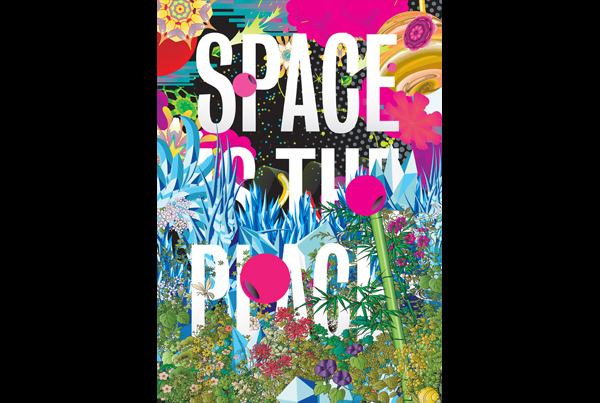
Space Is The Place continues its travels through Asia and Europe as part of VISCOM- the international printing industry trade show this month with stops in Spain and Italy.

11.13.2010


New book redesign for Microcosm out nowChainbreaker Bike Book: A Rough Guide to Bicycle Maintenance. A D.I.Y. bike maintenance book and reprint of Chainbreaker, a bike-centric zine published in New Orleans.

11.10.2010

Great new feature by Gianni Simone about expatriate self-publishing and zines in Japan in the new issue of Metropolis, where I and other zine-makers serve up our thoughts on the Japanese small press.

11.09.2010

I made this little video series of a new lecture posted online in 3 parts by whiz kid Adam Greenfield of Do Projects and former design director at Nokia.
Called “Becoming Real”, Adam chronicles how and why certain projects fail while others succeed.
Produced by the kind folks at AQ.

10.30.2010

Nice review of the new issue of Slanted Magazine.

10.28.2010

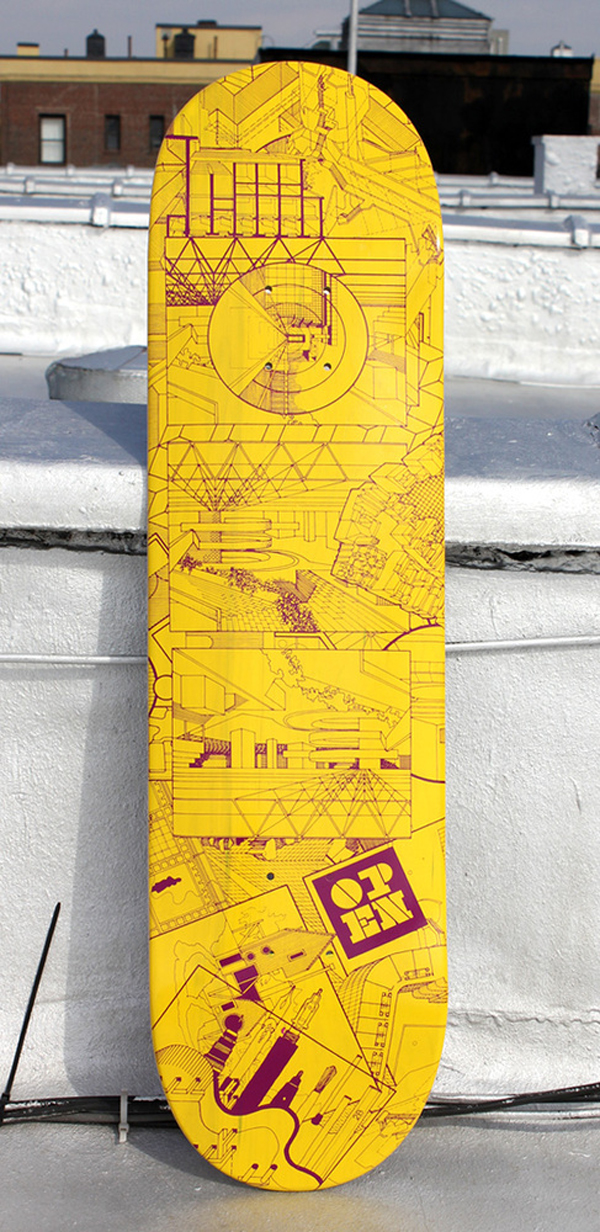
New Ian Lynam “pro model” deck out via Open Skateboards.

10.18.2010

The BetterLetter series of events now has its very own website.

10.18.2010

Nice example of Wordshape type in use by Josh Petrin for Creepsville Records.

10.13.2010

Just designed a poster for Walls of Pride, a tour of African American murals in Portland, Oregon, organized by the Dill Pickle Club. More soon!

10.04.2010

Launched this week: a brand spankin’ new website for Knee High Media Japan, publishers of Plants+, Paper Sky, and Mammoth Magazines, as well as founders of Tokion Magazine.

The site is all souped-up using a number of different programming languages, and we’re happy to have rolled it out.

10.03.2010

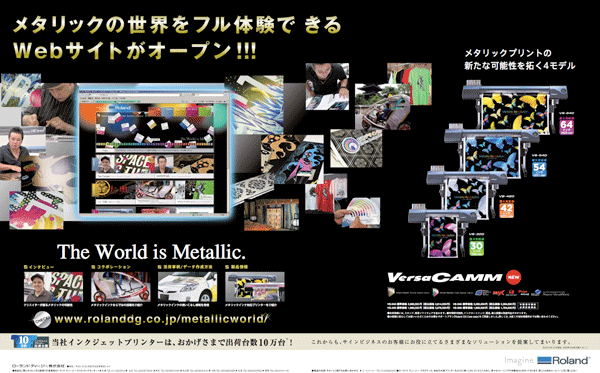
Print ad from new campaign for Roland printing in Japan’s Popeye and MdN magazines.

09.26.2010

I’ve been working closely with the team at Roland for the past few months creating work output using their new metallic inkjet oversize printing system. You can take a look at some of the posters designed for this project and read an interview on Roland’s new “The World Is Metallic” website.

09.20.2010

German release of Blunt Mechanic’s “World Record” out now on Grand Hotel Van Cleef with 2 extra tracks.

New limited edition three-color print (signed series of 200, hand numbered) for the BetterLetter X Artalking House Industries presentation in Tokyo available now for $20 postpaid via Paypal. Email to pick one up.

Printed in fluorescent green, fluorescent pink, and silver.

I have a batch of typefaces in the new Typodarium published by Magma Brand Design in Germany. Typodarium is a daily tear-off calendar that collects the best in independent font releases annually.

Typodarium 2011 is available here.

A more full showing of the TypeCon-only Type Sketcher is available in the Print + Product section.

Konexi!!!

Konexi was published by the nice folks at Zimzala Games.

Finally, the latest installment of the Poster Initiative series of posters is out now. They’ll be distributed around Tokyo later this week.

09.19.2010

House Industries Tokyo

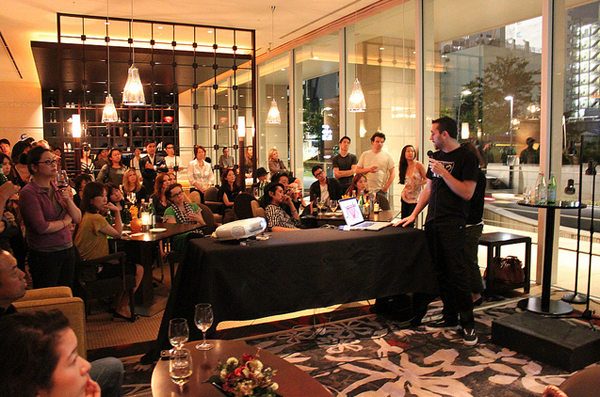
The House Industries lecture at Tokyo Midtown in Roppongi was a smash success!

House Industries Tokyo

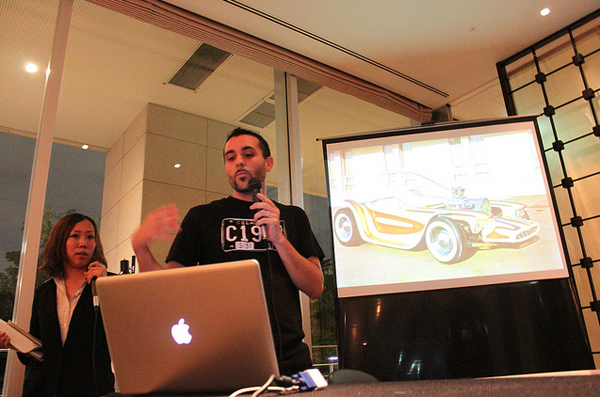
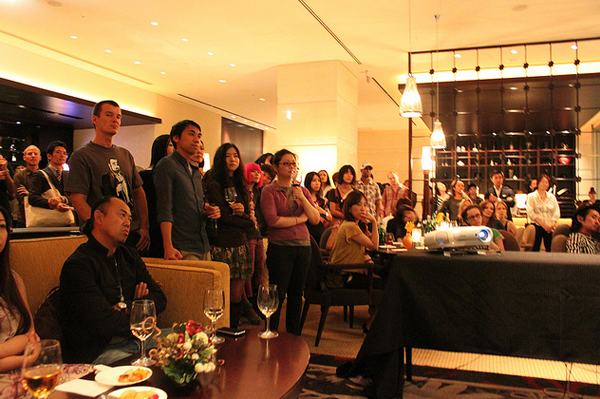
Over 120 folks came down to check out the lecture, eat some food, and sip some drinks while checking out a stellar presentation by Andy Cruz.

House Industries Tokyo

Giant thanks to my co-organizer Julia Barnes of Artalking/Nonaca, Andy and Steph Cruz, our amazing sponsors: Entropy Design and IDEA Magazine, all who pitched in to help out, and everyone who attended!

It was a great first event and we are looking forward to presenting more design-oriented events in the near future!

09.17.2010

Got a nice mention on the Swatch/MTV Playground blog this week.

09.16.2010

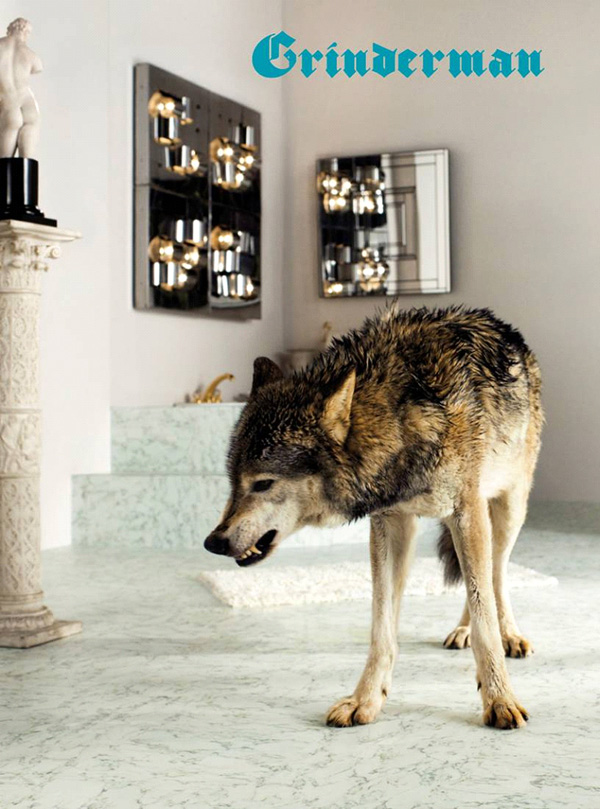
One of those career benchmarks just happened- I purchased the new album by the Nick Cave project Grinderman online, and look at that fancy cover that I ignored: the type is none other than Wordshape’s own Devil’s Advocate typeface.

09.11.2010

Daniel Higgs Barn Owl

Another fine type-in-use showing: this one a poster for a show by Daniel Higgs by David D’Andrea. Designed using Cooper Italic Swash

09.11.2010

Printed & Bound by Renna Okubo

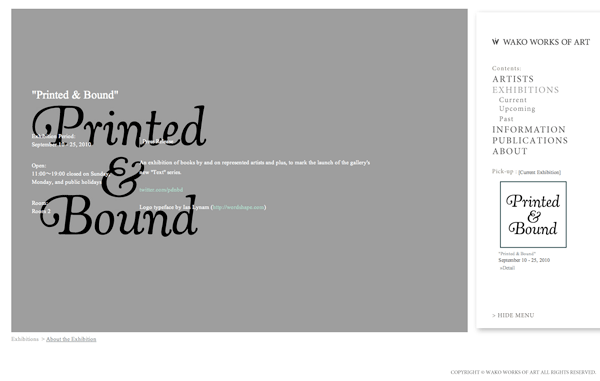
Renna Okubo has put together a fancy exhibition of published artworks called Printed & Bound on display now at Gallery/Wako in Hatsudai. She went and whipped up a fancy identity for the show using Cooper Italic Swash, as well. Thanks, Renna!

09.11.2010

BetterLetter X Artalking X House Industries!

It’s a bit less than a week until the House Industries lecture event here in Tokyo. I would like to welcome Entropy Design and Idea Magazine as sponsors.

Giant thank you(!!!)s to the Cannons and to Muroga-san at Idea Magazine for sponsoring the event!

09.01.2010

I was just interviewed by Michael Dooley for Print Magazine alongside Erik von Blokland, Matthew Carter, Jeff Keedy, and a few others about TypeCon and our collective thoughts about WebFonts.

08.31.2010

Onslaught of news here… I should be in bed, as the new semester at Temple University starts at 8AM, but I’d rather procrastinate…

Type Sketcher

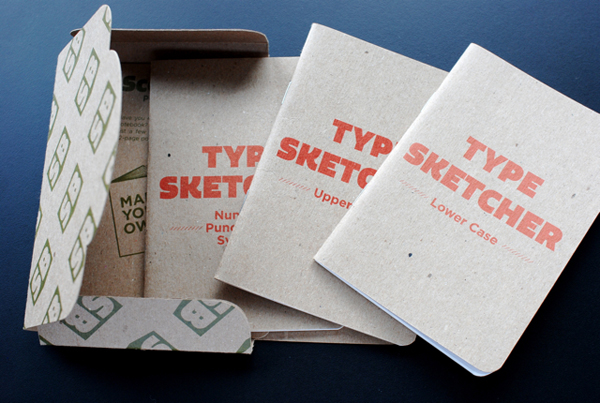
Hot off the presses, the Type Sketcher! A collaboration between myself and Austin Whipple at Scout Books/Pinball Publishing, it’s a trio of type design sketchbooks with modular grids for designing letterforms.

Type Sketcher

The inside covers feature illustrated essays showing users how to properly draw letters (overshoot, ascender ratios, type anatomy), as well as showing samples of type design that I find particularly intriguing).

At $12 a pop, they’re cheap, as well. The perfect gift for the type nerd closest to you.

Type Sketcher

08.31.2010

House Industries Tokyo

アンディー・クルズ氏がご自身の今までの軌跡や、チャールズ&レイ・イームズ両氏の遺作とコラボした最新の作品についてのトークライブを行います。

最新鋭のデザインを生み出していくハウスインダストリーズの一員として、アンディー・クルズ氏は過去15年以上にわたって、ペインティング、現代的デザイン、大衆的商業デザイン、ブランドデザイン等、ありとあらゆる芸術・美術に常に挑戦し、新しい風を吹かせながらビジュアルカルチャーという航路の舵取りを担ってきました。

今までアンディー・クルス氏がどんな旋風を巻き起こしてきたのか、また、これからどんな新しい未来を作り上げていくのか、是非会場に足を運んで時の目撃者となってください。

日時: 2010年9月17日 (金) 
開場: 19:00
トークライブ/質疑応答: 19:30
ディナー: 20:00
会場: オークウッド プレミア 東京ミッドタウン
住所: 107-0052 東京都港区赤坂9-7-4
電話: 03-5412-3131
費用: 3500円(前売り) 4500円(当日)
*費用の中には、トークライブ参加費、軽食ビュッフェディナー、 お飲み物、限定発行の出版物が含まれます。
言語: 英語に日本語の通訳がつきます。

詳しくは、ノナカアートプロダクションズのウェブサイト( http://nonaca.net/ )をご覧ください。


08.30.2010

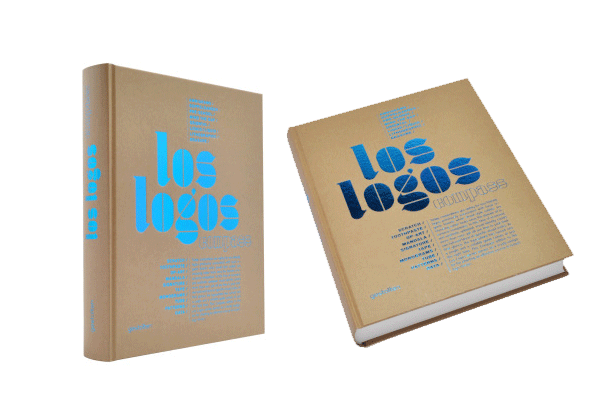
Los Logos Compass

I have a bunch of new work in the latest Los Logos book, Los Logos Compass. Again, more once I get a physical copy.

08.27.2010

House Industries Tokyo Lecture

In a rare and intimate one-night event, apparel/book/font designer, publisher, and manufacturer of design objects, Andy Cruz of House Industries will speak about his work and House’s most recent collaboration with the estate of Charles and Ray Eames.

As a partner in the cutting edge design phenomenon House Industries, Andy has helped steer the course of visual culture over the past fifteen years, creating design work with toes dipped liberally in fine art, Modern design, vernacular commercial art, and brand-oriented graphic design. See the past and the future collide and how the aesthetic of tomorrow will emerge!

Friday, September 17 2010
Doors Open: 19:00
Presentation / Q&A: 19:30 – 20:00
Dinner: 20:00

Oakwood Premier Tokyo Midtown
Address: Akasaka Minato-ku, Tokyo 107-0052
Map: Click here.
Telephone: 03-5412-3131
Fee: ¥3,500 (Advance) ¥4,500 (Door)
Includes presentation, light buffet dinner, drink, limited edition publication and limited edition print.
Language: English with Japanese Interpretation

RSVP NECESSARY
Email info@nonaca.net before Friday, Sept 10. 6pm.
Advance payment can be made here:


More: nonaca.net

アンディー・クルズ氏がご自身の今までの軌跡や、チャールズ&レイ・イームズ両氏の遺作とコラボした最新の作品についてのトークライブを行います。

最新鋭のデザインを生み出していくハウスインダストリーズの一員として、アンディー・クルズ氏は過去15年以上にわたって、ペインティング、現代的デザイン、大衆的商業デザイン、ブランドデザイン等、ありとあらゆる芸術・美術に常に挑戦し、新しい風を吹かせながらビジュアルカルチャーという航路の舵取りを担ってきました。

今までアンディー・クルス氏がどんな旋風を巻き起こしてきたのか、また、これからどんな新しい未来を作り上げていくのか、是非会場に足を運んで時の目撃者となってください。

日時: 2010年9月17日 (金) 
開場: 19:00
トークライブ/質疑応答: 19:30
ディナー: 20:00
会場: オークウッド プレミア 東京ミッドタウン
住所: 107-0052 東京都港区赤坂9-7-4
電話: 03-5412-3131
費用: 3500円(前売り) 4500円(当日)
*費用の中には、トークライブ参加費、軽食ビュッフェディナー、 お飲み物、限定発行の出版物が含まれます。
言語: 英語に日本語の通訳がつきます。

詳しくは、ノナカアートプロダクションズのウェブサイト( http://nonaca.net/ )をご覧ください。

08.27.2010

I have a new essay and interviews with my favorite young Japanese designers, Kunihiko Okano and Daijiro Ohara, in the latest issue of Slanted Magazine.

More once I get my hands on one!

08.26.2010

NORTHWEST PASSAGE RELEASE PARTY
FRIDAY, AUGUST 27th, 7PM | FREE
READING FRENZY | 921 SW OAK ST.

Celebrate the release of the Dill Pickle Club’s newest publication, Northwest Passage: 50 Years and Independent Music from the Rose City, with a short talk by the book’s editor, Marc Moscato, and the publication’s audio editor, Erin Yanke.

Northwest Passage is a book and audio CD highlighting the history of Portland’s burgeoning independent music scene, and includes contributions from: The Dill Pickle Club, Mississippi Records, Oregon Historical Music Society, PDX Pop Now!, Joe Kregal, Ural Thomas, Valerie Brown, Fred and Toody Cole, Vanessa Renwick and Erin Yanke, Calvin Johnson and Cool Nutz.

Afterward, DJ HWY 7 spins a special set of forgotten Portland classics 1950s-present, mined from his archive of local vinyl – from punk to funk and blues and deep PDX soul. This event is free, with beer donated by Ninkasi.

I spent a good chunk of time designing Northwest Passage over the past few weeks- in my estimation, it’s a pretty righteous book content-wise, charting the history of Dead Moon/Pierced Arrows, Portland soul singer Ural Thomas (the man responsible for opening many an Otis Redding concert and for providing James Brown with many of the hooks he’s so famous for), along with Beat Happening/Dub Narcotic/K Records’ Calvin Johnson, and a ton of others.

Thanks to Marc Moscato and the Dill Pickle Club for inviting me to collaborate on what will definitely be a milestone in American music history.

08.25.2010

A while ago, I posted on Facebook that I wanted to host a little event where typographically-minded folks could get together and have a fun day where we could play with letterforms and experiment with type both formally and informally. After mulling this over for a bit, I decided to go ahead and start a formal lecture and event series called BetterLetter to explore these ideas.

In collaboration with Artalking, BetterLetter is going to have its first event, a lecture by Andy Cruz of the famed type foundry and manufacturer of design objects, House Industries, on September 17 in Tokyo. It is going to be a fun, intimate, one-night event where Andy talks about his work and recent collaborations with the Estate of Charles and Ray Eames.

More info will be posted tomorrow about the kickoff.

08.25.2010

Mammal is playing LIVE on Saturday at Lamai in Shibuya for their KIDS’ DISCO event- live music for parents and kids. The event is sold out, but feel free to try to sneak in!

08.14.2010

I’ll be in LA for TypeCon, repping the studio, Wordshape, and Pinball Publishing next weekend. Pinball and I will be debuting our new joint project, TypeSketcher at the conference.

And while we’re on the subject of typography…

I just released a new typeface, Neuerland, an attempt to update Rudolf Koch’s traditional hand-cut display typeface, adding ligatures and alternate characters inspired by the forms of Herb Lubalin and Tom Carnase’s Avant Garde.

08.03.2010

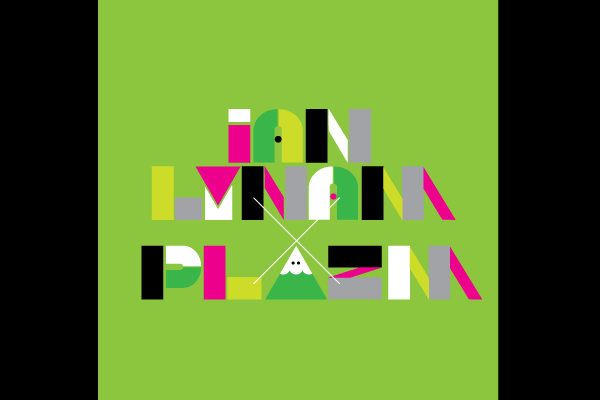
I’ve been out of the form-making loop for a few years now, confined to other territories (web, identitiy, research, etc), but a handful of new projects have lit a fire under my tuckus to dig into exploring Japanese typography and stabbing away at image-rich visuals. Above, a draft for an image + lettering treatment for Plazm Magazine Issue #30.

08.01.2010

On occasion, I like to do projects alongside my students. Full report in Print + Product section!

07.28.2010

Here’s a bit of a preview for a massive new project I’m working on with Roland, manufacturer of fine musical instruments, vinyl cutters, and amazing printers. More soon… and yes, that is metallic ink in there.

07.26.2010

The past few months have been particularly busy at the studio, and I wanted to take a moment to thank the amazing folks I’ve gotten to work with lately. Praise is due:
Paul Sather, my constant cohort when it comes to creating innovative work for screen-based devices and the web. Thanks for years of friendship and hard work.
Patrick Tsai, my co-director on a few new projects and one of my best friends in the world.
Hisae Higuchi, my new assistant, has been rocking in so many ways- holding down translation duties, business communications, and making sure meetings run smoothly while being super-fun to work with the whole time, always with a smile.
Hannah Smith has been up to her ears in shooting all of the studio’s work despite the heat and still finding the time to bang away at WordPress and Photoshop. Thank you!
Darin Bendall busted ass on a number of Flash projects, showing his tenacity and patience for the quickly dying art that is AS2.
Thien Huynh has been held down the programming on a number of site projects, showing off his acumen at making flexible XHTML/JS/CSS when not listening to me kvetch about the daily grind.
I am truly lucky to be able to work with each and every one of you. Thank you for all of your hard work!!!

07.24.2010

Web Designing Japan interview

Chris Palmieri, Craig Mod and I were interviewed in the latest issue of Japan’s Web Designing magazine about the potential of webfonts.

Web Designing Japan interview

The feature features a tasty lettering treatment by the tremendous Daijiro Ohara. Within, we discussed sites that work, sites that don’t, @font-face, and the future of the web.

Web Designing Japan interview

Thanks to Ishida-san, Nakano-san, and all at Web Designing!

Web Designing Japan interview

07.21.2010

New font release: Cooper Black Italic. This typeface is the definitive version of Oswald Bruce Cooper’s classic typeface Cooper Italic.

Cooper Black Italic

1926 saw the release of Cooper Black Italic. During the design process, Cooper relentlessly experimented with the forms of the letters, creating multiple options for each letterform. It includes a full uppercase, lowercase, figure, and punctuation character set, Response to Cooper Black Italic was overwhelmingly positive and the typeface sold very well.

Cooper Black Italic

This typeface is the result of researching Cooper’s original drawings and series of engraved proofs for both typefaces. The typeface includes the original ligatures, and a range of punctuation and diacritics, et al, that fill out a full character set. The typeface has been lovingly kerned for the smoothest result in text setting.

This font updates and complements the fun, friendly Cooper Black Swash Italic, an old Chicago-style display typeface. It is great for retro designs and forward-thinking contemporary graphic design.

07.5.2010

Imagemaking and Typography at Temple University Japan

I’ll be teaching two classes in Temple University Japan’s Continuing Education department in the fall semester: Imagemaking 101 and Typography 101. Take a look at the links to see details.

07.06.2010

I have an interview in the new issue of Xerography Debt zine, available via Microcosm.

07.06.2010

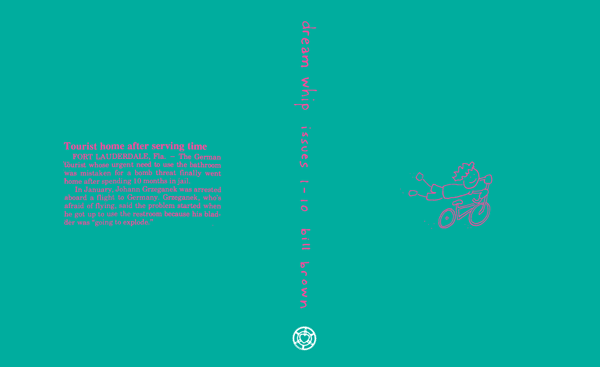
New cover and inside cover design for the Dreamwhip collection, published by Microcosm.

06.29.2010

Ian Lynam Brochure

New brochure design for the Dill Pickle Club, Portland’s fun culture club!

06.21.2010

One podcast I have a particular affinity for is NPR’s Planet Money. They recently had a show about tee shirts, which was basically a giant intro to a pitch to their listeners to participate in a graphic design contest to make, surprise surprise, a Planet Money tee shirt.

This is my submission, which just went out via email to the show.

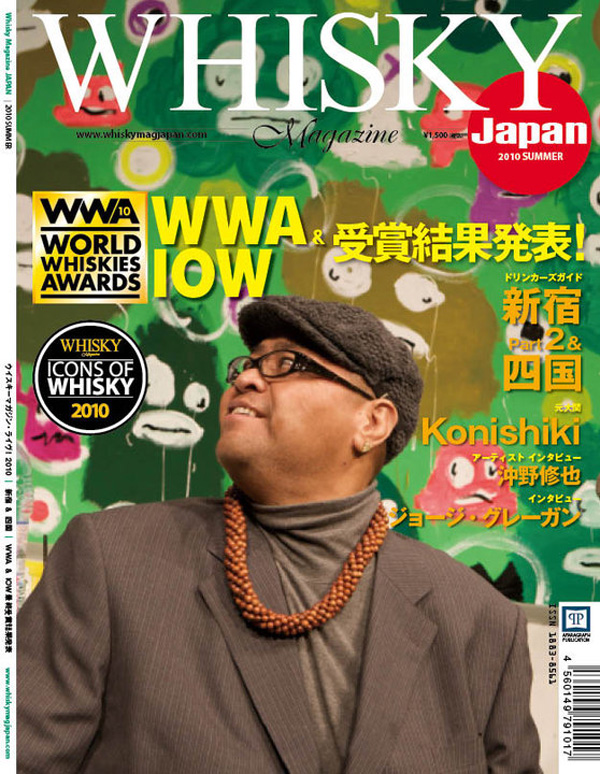
Above is legendary sumo wrestler Konishiki with the live painting that I made for Whisky Live 2010 at Tokyo Big Sight a few months ago. The big guy and I chatted over a live broadcast for Japanese TV after I interpreted the taste of some Scottish whiskey in painted format for 90 minutes.

Interview coming in the next issue of Whisky Magazine Japan. Thanks to Julia Barnes, Clint Taniguchi, and David and Dave at Whisky Mag!

06.18.2010

Critical Mass
Compiled by Ian Lynam + Idea magazine

An inquiry into contemporary critical practices in graphic design featuring:
Mark Owens, Zak Kyes, Jon Sueda, Brian Roettinger, Daniel Eatock, Scott Ponik, Michael Worthington, Yasmin Khan, Metahaven

Subterranean Modernism: A Critical Retrospective
By Randy Nakamura + Ian Lynam

On the Uselessness of Design Criticism
by Randy Nakamura

You can pick up a copy here.

Also new:

I have a handful of projects featured in the new Choi’s Gallery Magazine.

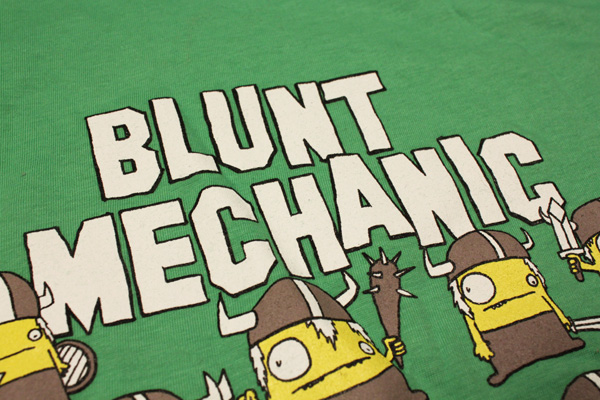
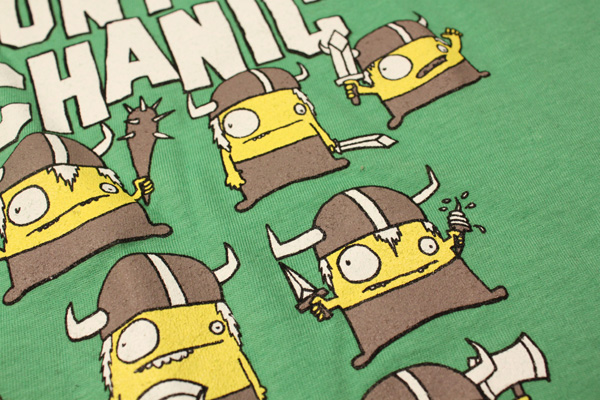
New shirts out for Blunt Mechanic.

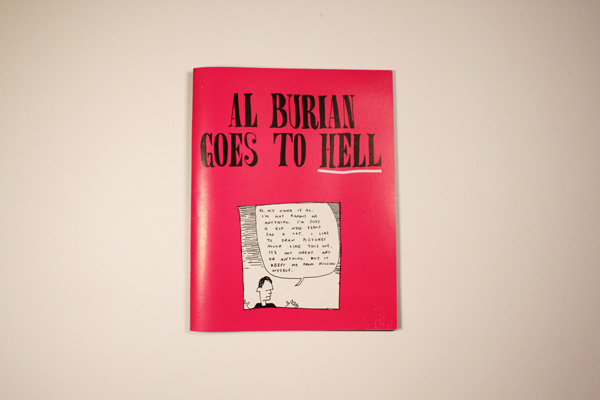
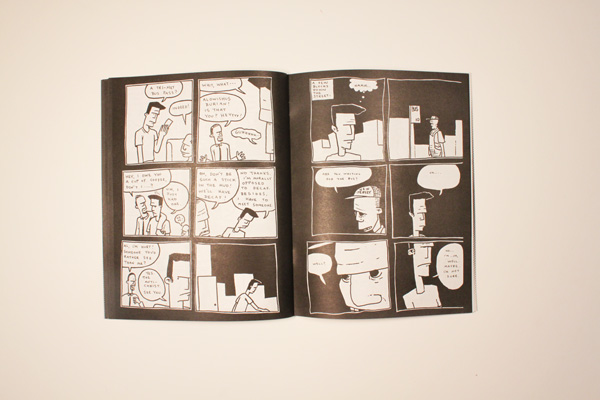
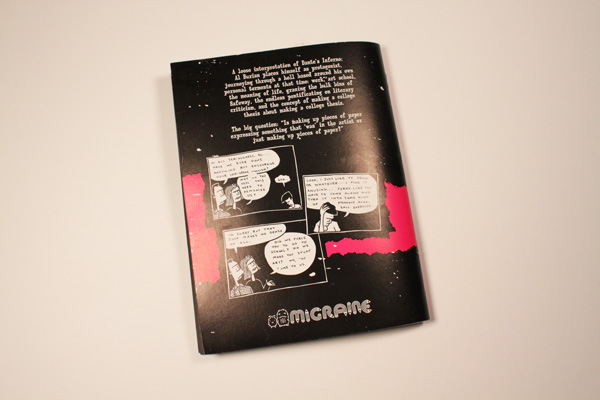
Also new: Migraine, my decade-dead publishing imprint resurfaced from the grave this month to release an illicit edition of Al Burian’s comic Al Burian Goes To Hell. All I can say is that I was responsible for the design, and that I hope Al doesn’t kick my teeth in.

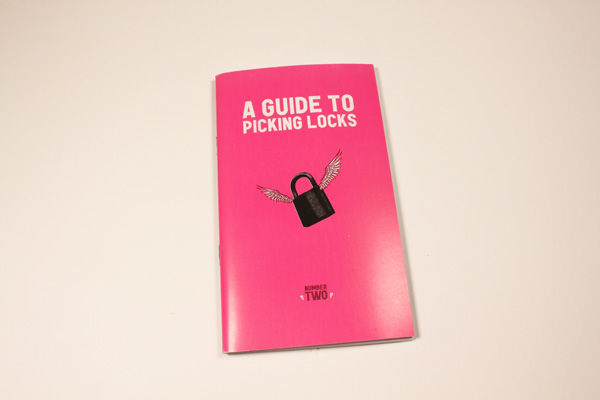
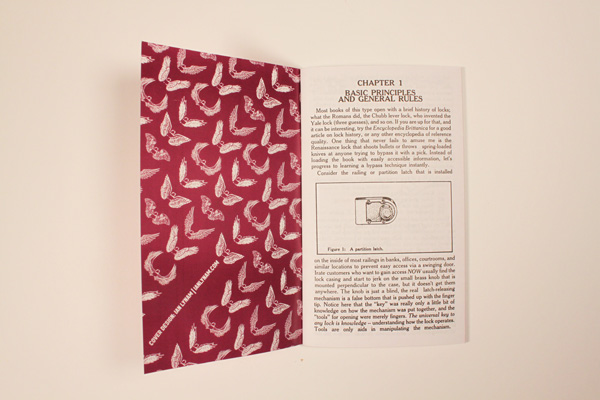
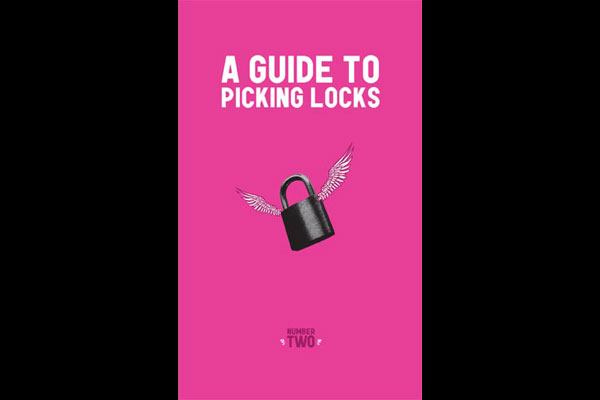
Now out: A Guide To Picking Locks Volume Two, published by Crimethinc. I designed a snazzy two-color cover for this second volume, picking up where I left off with Volume One.

06.14.2010

New typeface release from Wordshape/MyFonts:

Cooper Black Condensed is a less wide, but not squished variation on Cooper Black.

The history of this typeface:

Cooper Black, the most famous and successful of Oswald Cooper’s type designs was released in 1920, following a year of development fleshing out the weight of the typeface and filling out the full character set. Cooper redrew the lowercase characters multiple times, toying with the rounded forms of the “m” and “n” and engaged in a lively debate with Barnhart Bros. & Spindler’s General Manager Richard N. McArthur over the final form as McArthur requested that the typeface be drawn bolder and bolder. Cooper famously said the face was “for far-sighted printers with near-sighted customers”, and the public agreed. Sales of Cooper Black were voluminous, and Barnhart Brothers & Spindler had a difficult time keeping up with the demand for the typeface. Conservative typographers were critical of Cooper Black, though it was overwhelmingly popular, helping to shape the American advertising landscape through the 1920s and 1930s.

1925 saw the release of Cooper Black Condensed, a “condensed but not squeezed” variation on the Cooper Black theme. McArthur and Cooper had the usual lively back-and-forth over the shapes of some of the letterforms, in particularly the uppercase “Q”, resulting in a thoroughly accomplished alphabet. The first showing specimen of Cooper Black Condensed compared the new face with Cooper Black, showing that it was 20 less wide and that it promised to “show something of gentility while being able to spit on its hands and make itself useful”.

This typeface is the result of researching and faithfully redrawing characters from Cooper’s original drawings and series of engraved proofs for the typeface. The typeface includes the full range of punctuation and diacritics that fill out a full character set. The typeface has been lovingly kerned for the smoothest result in text setting.

06.06.2010

My type foundry, Wordshape, released a new typeface this week: Interno.

Interno is a headline typeface built from a Walter Ballmer Olivetti logo exploration drawn sometime in 1960. Work on Interno commenced in 2006 by Eli Carrico, but was soon abandoned. In 2009, Eli picked it back up and ran with it, completing Interno 1. I picked through Eli’s development stages of the typeface and edited together a slightly different version, Interno 2, utilizing a mix of development characters and original characters.

Interno is Italian for internal (or at least that is what the translation widget told us). A great deal of the classic Olivetti design was down in-house (i.e. internal). Also, the typeface has internal switchbacks reminiscent of a paperclip. Interno sounds a bit like “turning inside” phonetically(In-Turn-O). Additionally, Interno takes the first letter and last letter of Olivetti and flips it.

Available now via Wordshape/MyFonts.

06.06.2010

Loos Ends: Graphic Design Reading in Tokyo 2010

One of the most difficult things to find in Tokyo is a really deep collections of writing on graphic design in English. It’s one of those dark holes in consumer friendliness that is totally understandable, given that English isn’t the native language.

As a stopgap measure, I’ve put together 3 volumes of copies of design history, criticism, and theory titled “Design Research – Additional Reading” and put it on reserve in the Temple University Japan Library. The three volumes cover a lot of ground – from Adolf Loos to Robert Brownjohn, John Ruskin to Rick Poynor. Copious copies of articles from graphic design books, publications, and pamphlets are within. If you have the time and inclination, as well as a penchant for reading blobby xeroxed stuff, it’s at least one more resource.

06.03.2010

Critical Mass

For the past few months I’ve been working on a 100-page feature of IDEA Magazine called Critical Mass, an inquiry into contemporary critical practices in graphic design. Critical Mass features interviews with Mark Owens, Zak Kyes, Jon Sueda, Brian Roettinger, Daniel Eatock, Scott Ponik, Michael Worthington, Yasmin Khan, and Metahaven; looks at the books Forms of Inquiry, Wonder Years, and Iaspis Forum on Design and Critical Practice: The Reader; and new essays by myself and Los Angeles-based designer/writer Randy Nakamura.

This new issue will be released shortly. Here’s a sneak peek at one of the pieces within, an essay called Subterranean Modernism: A Critical Retrospective that I co-authored with Randy Nakamura:

The idea of “oppositionality” is mostly anathema to graphic designers today. Designers may speak of “criticality” or “inquiry” but the notion of rejection is absent. Designers prefer the idiom of choice and preference. If one had to choose a ground zero for a prototypical critical design practice for the past decade it would have to be the Arnhem-based Werkplaats Typografie (WT). Part school, workshop and meeting place, the Werkplaats sees itself as fostering a kind of critical design practice “by the position which the designer adopts in relation to the world at large – the social, political or technological developments taking place in contemporary society.”

The origins of this kind of design practice might be found in a variety of modernism that is a bit more underground and quieter, a “subterranean modernism”. It emerged from the post-World War II era, but its proponents were not the European emigres in New York City or canonical modernists of the International Style in Europe. They were the more peripheral and less well known British designers Norman Potter (1923−1995) and Anthony Froshaug (1920−1984). Both are less ideological than their predecessors, in many ways they can be understood as an inflection point between modernism and postmodernism. They had a preference for process, the subjective, and the local. There was an assertion of the poetic, not through the unconsciousness or deliberately nihilist assaults on aesthetics and society, but by an attention to reason, craft, and materiality. The spheres of design were not advertising agencies or large corporate studios, but print shops, schools, museums and cultural clients. A distinct bias can be seen towards the typographic, the book, and the reader. They were more communitarian in spirit than reformist, sustaining certain traditions, but far from hidebound. It was the reign of the idiosyncratic, not the revolutionary. If this was modernism, it was a modernism devoid of master narratives, though inflected with a way of working that are humanist and craft-centered…

05.30.2010

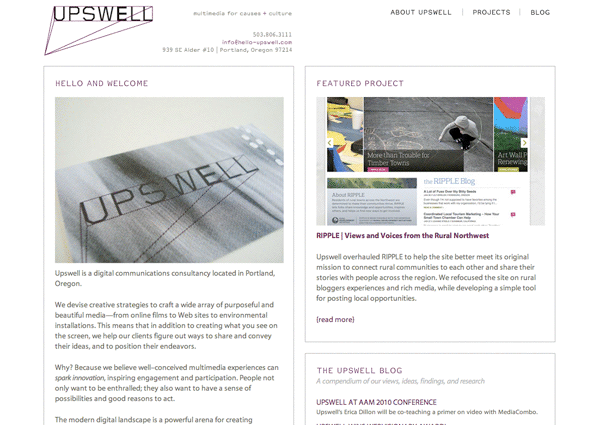
New website for Upswell, a digital communications agency based in Portland, Oregon. Erica and Armando are awesome to work with, visionary in allowing us to execute their website and identity as we saw fit while throwing down with some seriously helpful and thoughtful insight, and wonderful folks to chat with over wine and small plates.

A serious thank you to both of them, as well as to Thien, the latest member of our team (and all-around super-rad friend) for making their site come to life.

Rad folks to work with + rad folks to work for = total amazingness!

05.27.2010

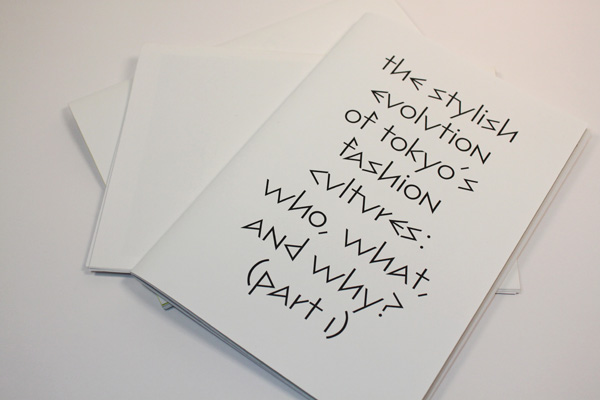
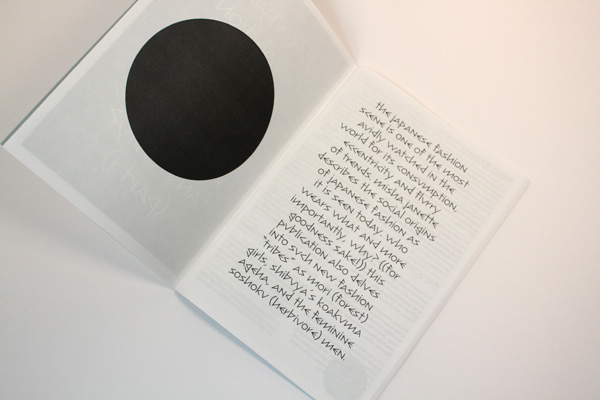
Booklet design for the latest Artalking event, Tokyo Fashion Cultures.

05.26.2010

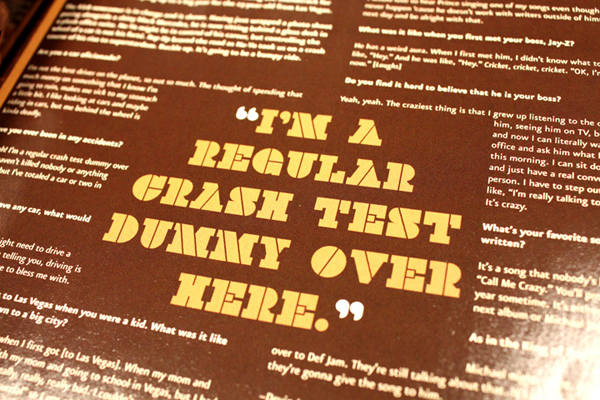
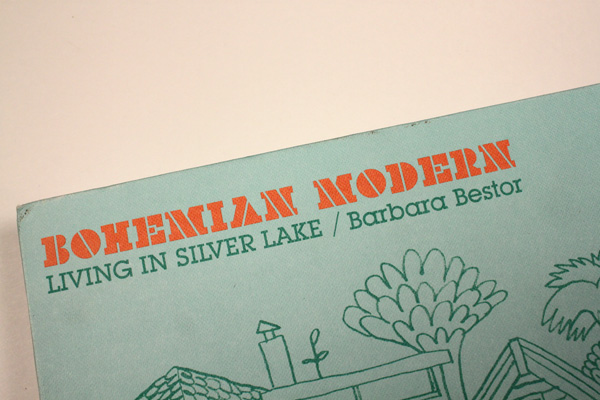
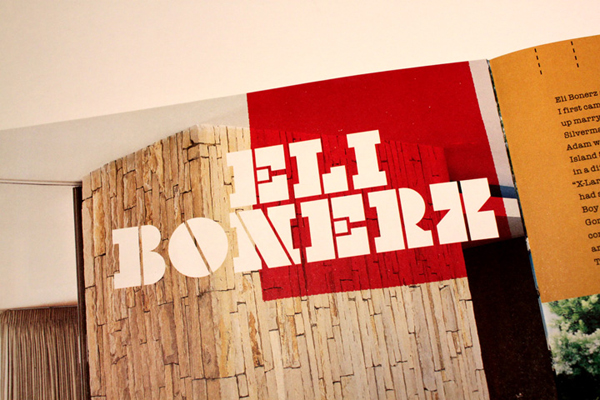
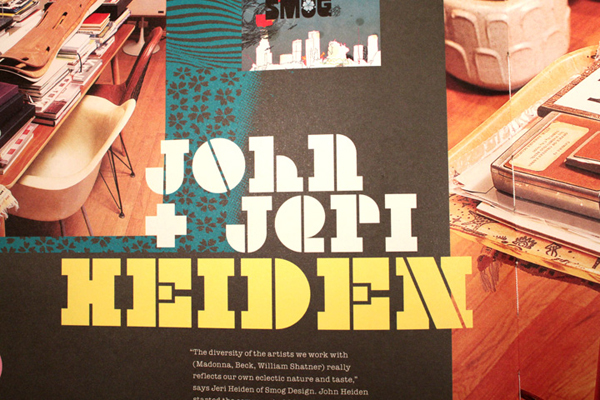
Wordshape, my type foundry, has just released a new font – Black-Out Stencil, a typeface designed by L.A. resident and designer extraordinaire, Eli Carrico.

Black–Out is a result of three things: the need for a distinctive ultra-black display typeface, an admiration for slab-serifs and Clarendons, and the love of systematic stencil type. Fusing all the desires together resulted in Black–Out.

Black-Out was used for the cover and interior of the Barbara Bestor book, Bohemian Modern, designed by Eli and Michael Worthington a few years ago over at Counterspace, a stunning book about L.A. architecture and interiors. Since then, it’s seen super-limited use by a select few folks, but Eli decided (with a little prodding) that the time was nigh for public release.

Available now via Wordshape/MyFonts!

05.19.2010

A few years ago, some of my design work went into the permanent collection in MoMA, which was a huge step in terms of creative legitimation for me on a personal level. Fairly recently, a large body of my work went into the permanent collection of the Newberry Library in Chicago (due utterly to the interest of Paul F. Gehl, curator extraordinaire), holders of great collections of some of my heroes, namely Oz Cooper and Will Dwiggins.

I am really excited to have my work be part of an officially documented continuum of American graphic design in such a prestigious institution. It happened casually and with zero pomp and circumstance, though inside I was jumping up and down with excitement.

Giant thanks to Paul and the amazing staff at the Newberry. You are my favorite library in the world. Machida’s doesn’t touch you with a long stick.

05.19.2010

Neojaponisme Ian Lynam Infiniti

Over at Néojaponisme, we’ve been doing some fun stuff for Infiniti as of late.

05.15.2010

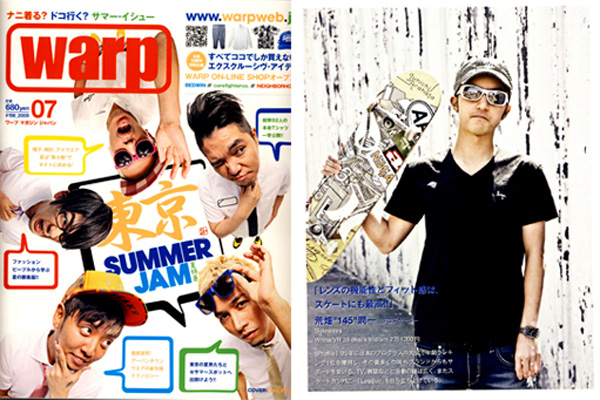
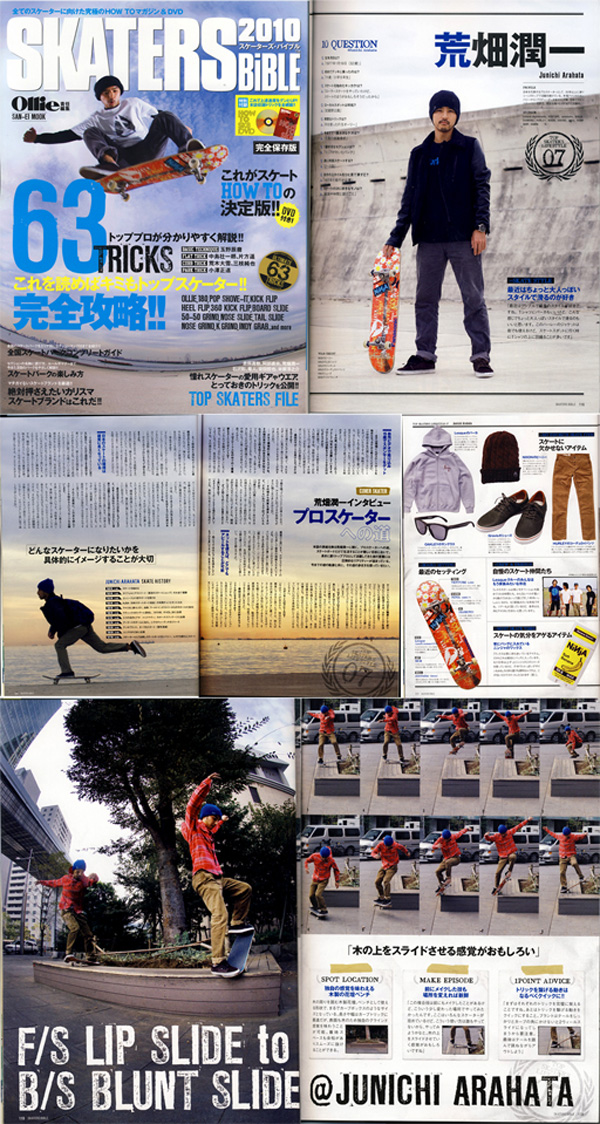
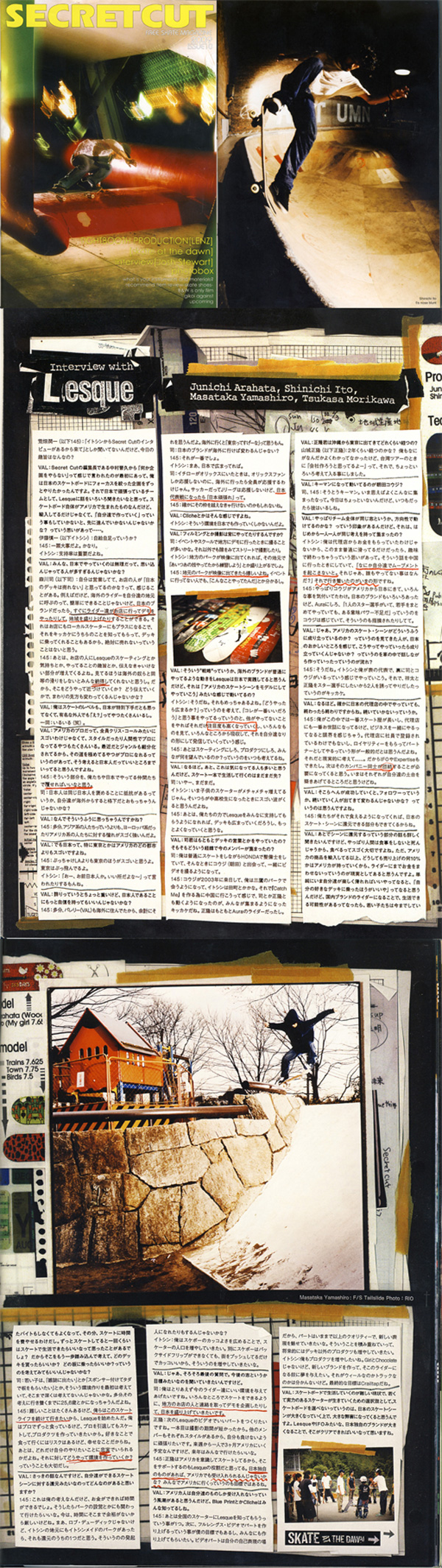
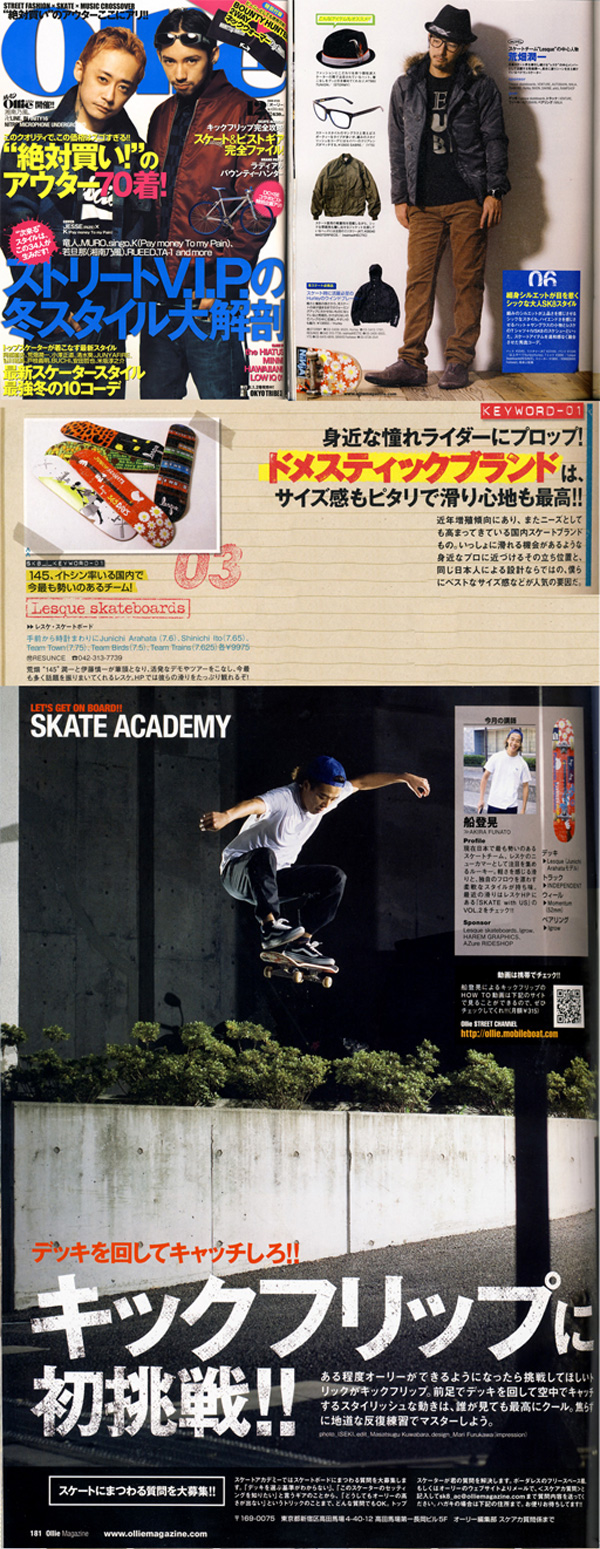
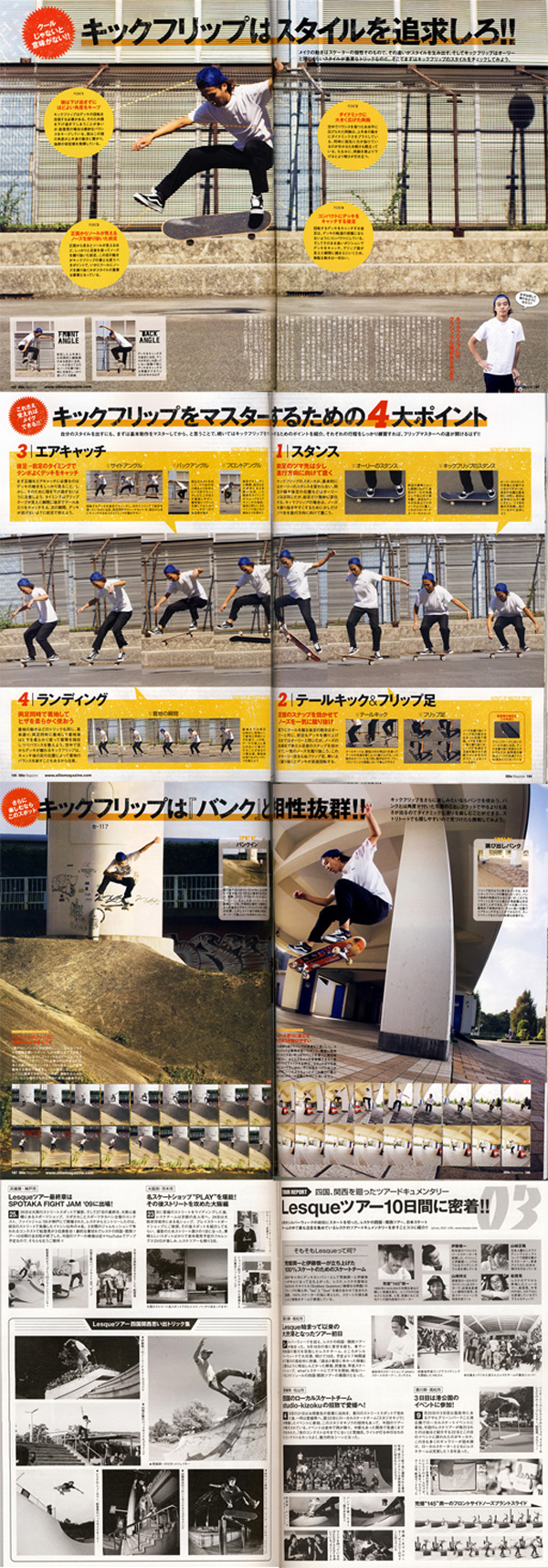
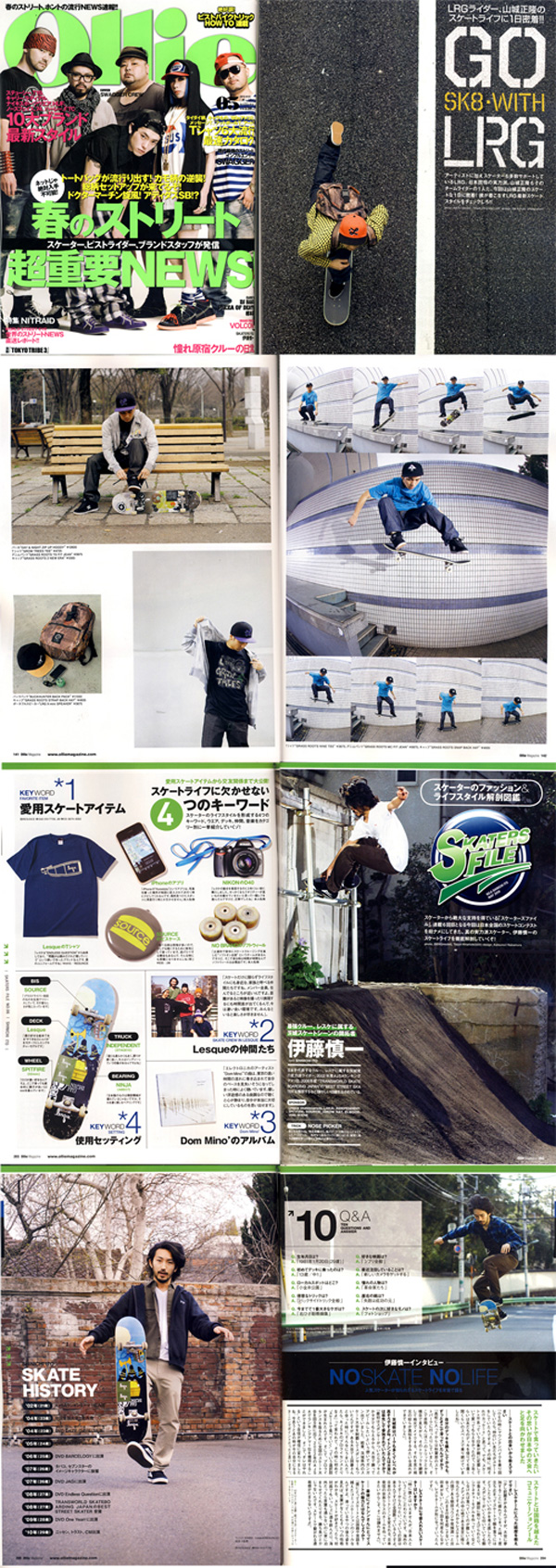
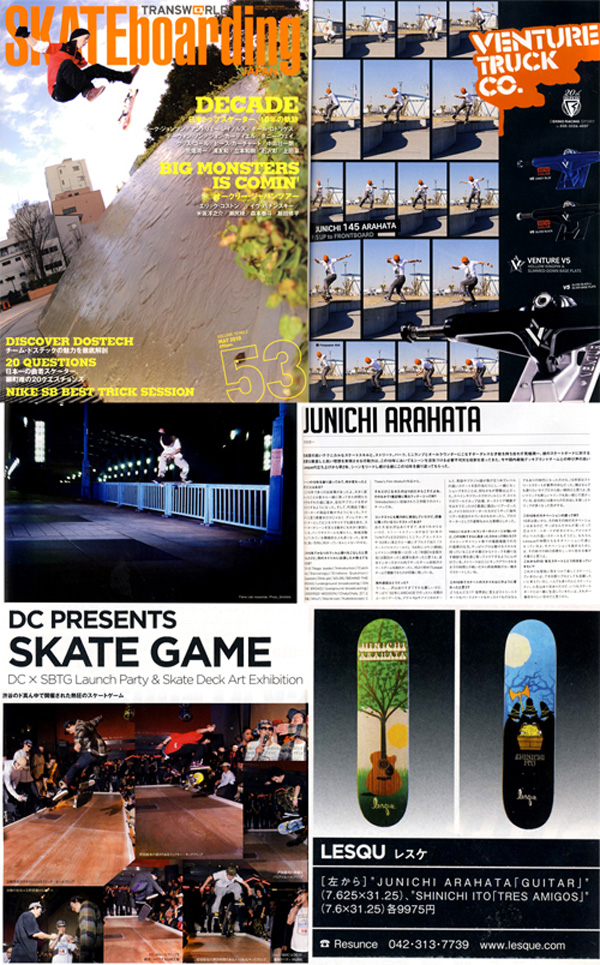
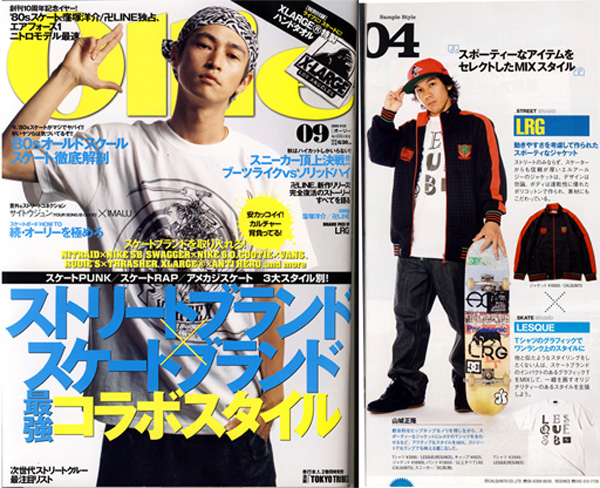
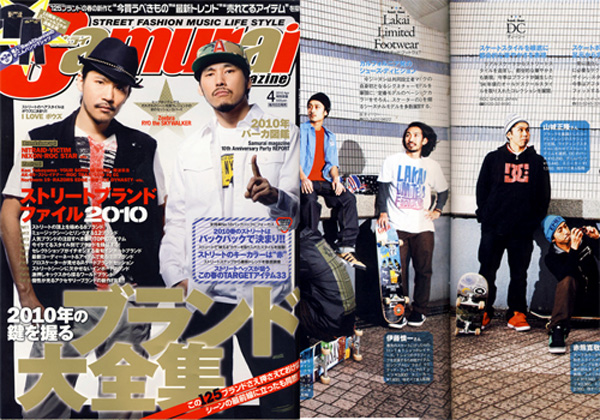
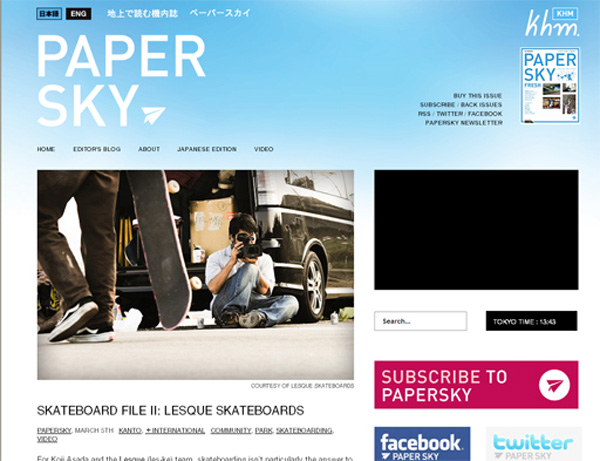
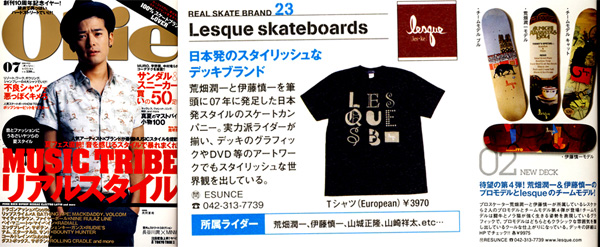
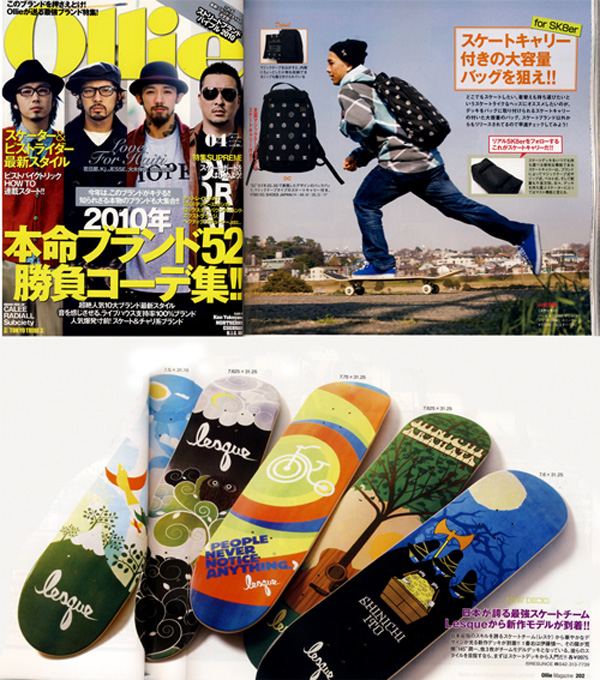
Lesque has been getting a whole lot of love as of late in the press- features in Japanese magazines like Ollie, Warp, Secret Cut, Transworld Skateboarding, Paper Sky, Samurai, and the Skater’s 2010 Bible.

05.13.2010

Clobber Grotesk sans serif typeface Ian Lynam

Today saw the release of all of the Roman weights of my new typeface family, Clobber via Wordshape/MyFonts.

05.13.2010

Ian Lynam Eric Cruz Pictoplasma

Just found this out in the webosphere: Eric Cruz of W+K Tokyo presenting one of our collaborative projects at the last Pictoplasma Conference in Berlin.

05.10.2010

Yamazaki Ryoichi Ian Lynam

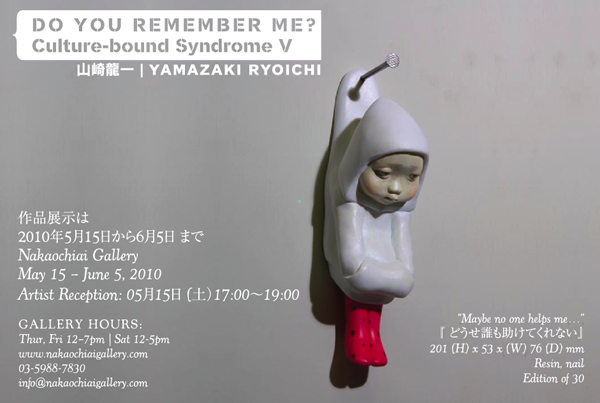
Designed a bunch of assorted graphic items for Ryochi Yamazaki’s upcoming exhibition at Nakaochiai Gallery over the past few weeks– postcard design above.

05.04.2009

Ian Lynam Lesque Skateboards

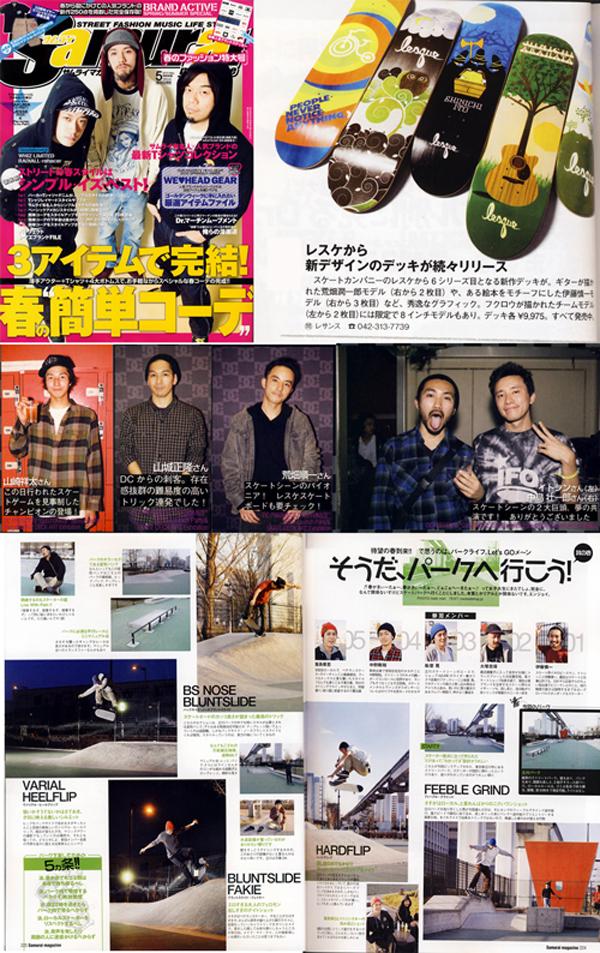
Latest collection for Lesque in Japan’s Samurai Magazine.

05.03.2010

A big, fat, smoochy thanks to Lullatone for providing the early morning soundtrack for the INTAPAC promotional video. One cannot find a better sound designer out there.

05.01.2010

My new column is up over at Snow Mag.

My contribution to the CitID project is here, as well- a new website that suggests logos for global cities.

04.29.2010

Pompeian Cursive Oz Cooper

New font release: Pompeian Cursive is a calligraphically-inspired display typeface featuring a limited number of alternate characters and a handful of graceful ligatures. A lively set of non-lining numerals accompanies, as well as a few calligraphically-inspired flourishes for ornament.

Pompeian Cursive Oz Cooper

The history of this typeface:
Oswald Cooper’s relationship with the Barnhart Brothers & Spindler foundry was one instigated under the auspices of creating new styles of type in lieu of following stylistic trends. In 1927, BB&S requested that Cooper create a script-like cursive typeface design in step with Lucien Bernhard’s Schoenschrift and ATF’s similarly-styled Liberty typeface.

In response to BB&S’s desire to emulate instead of innovate, Cooper wrote to Mcarthur, “I am desolated to see Barnhart’s hoist the black flag. Your own efforts through the years to boost the foundry into a place in the sun as an originator seem wasted.” Still, Cooper took up the task at hand, creating a delicate, sophisticated type design which he named Pompeian Cursive. The typeface featured a limited number of alternate characters and a handful of graceful ligatures. A lively set of non-lining numerals accompanied, as well as a few calligraphically-inspired flourishes for ornamenting the end of lines of type accompanied the typeface, as well.

Pompeian Cursive Oz Cooper Ian Lynam

By reviewing the few remaining original drawings for the type, as well as copious samples of Pompeian Cursive from both Cooper & BB&S’ proofing process and period-specific type specimens, Wordshape presents the first digital version of this classic hybrid script/sans typeface, complete with all original alternate characters and ornaments. Pompeian Cursive has been intensively spaced and kerned for the finest setting for weddings, announcements, and general display work.

Available from MyFonts.

04.26.2010

Poster Initiative Ian Lynam Graphic Design

Newest edition of 1,000 two-color posters in the Poster Initiative series of posters distributed for free around Tokyo is out now.

04.26.2010

INTAPAC is a subscription-based news and analysis website focused on consumer products and trends in Asia that we developed for innovation research group Five By Fifty. INTAPAC provides analysis on fast moving consumer good (FMCG) launches and insight into marketing, packaging innovation, retail trends and consumer behavior in the the world’s fastest growing region.

INTAPAC delivers daily, customized, curated reports on leading edge products and innovations through seven channels focused on: Beverages, Packaging & Design, Wellness, Food & Snacks, Home Products, and Marketing & Promotion.

For the INTAPAC project, we designed and developed an intensive database, front end, promotional video, and much more.

04.26.2010

The semester at Temple University Japan is over and went amazingly well- no one failed and all of the students worked super-duper hard. Thanks so much to my Motion Graphics and Typography students for kicking out a ton of great work!

One of the highlights of the semester was having Lesque Skateboards partner and video director Koji Asada in to show his work and talk to the students in the Motion Graphics class.

Thanks, Koji!

04.24.2010

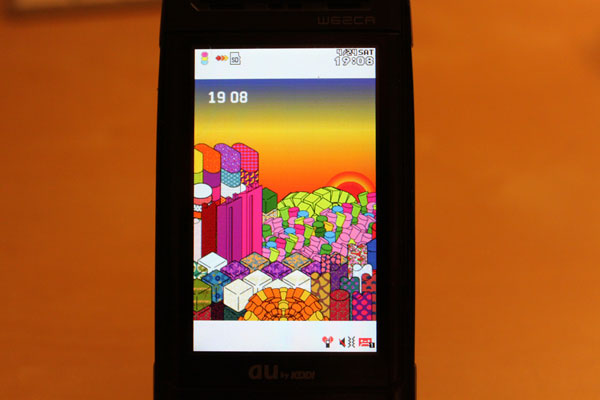
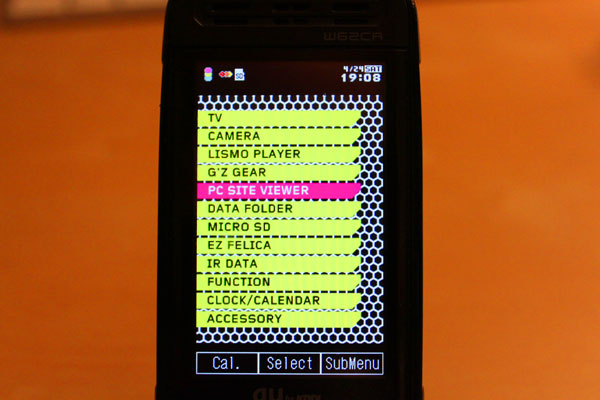
I’m excited to announce my new signature keitai kisekae/cellphone theme for WKTokyoLab’s mobile device shop. Kisekae are sets of images that users can download to create a holistic theme for their phone.

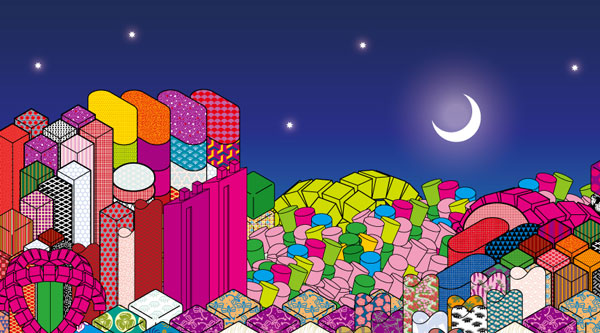
The theme I created for the TokyoLab music label is called “Utopia” and is based on a music video that I did in collaboration with the Lab folks for NHK a few years ago. It is an animated modular pictorial utopian vision of Tokyo in the future.

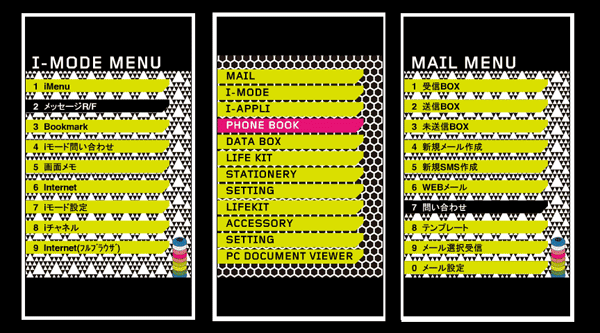
The theme is completely animated, with custom-designed icons for battery power and signal strength, a smart display that analyzes the time of day and generates one of four different appropriate images (morning, afternoon, evening, night), mail sending screen, mail receiving screen, incoming and outgoing call screens, typographically considered menus, and a ton more stuff.

Ian Lynam WKTokyoLab Kisekai Keitai Cellphone theme

In Japan, you can use your phone to browse to this address and download the theme.

Many thanks to Bruce, Yoko, and the WKTokyoLab team for making such a cool project happen!

04.23.2010

Grothlab Ian Lynam

New website for Growthlab, a Tokyo-based corporate training initiative.

04.14.2010

Two new publications out now.

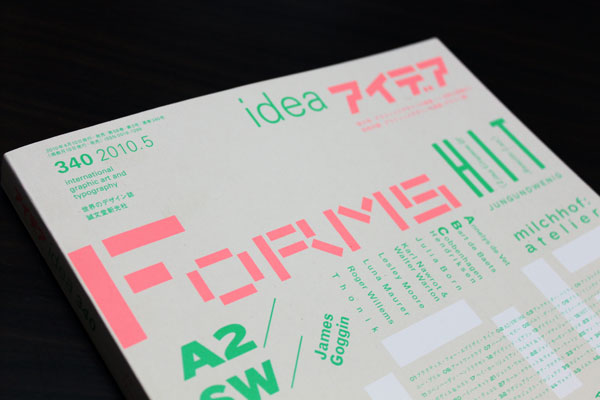
Idea Magazine Forms of Practice Ian Lynam

First, a new feature for the latest issue of Idea Magazine (issue #340) called Forms of Practice, interviewing young designers, is on newsstands now.

Idea Magazine Forms of Practice Ian Lynam

An excerpt:

Toward a new form of practice

A number of young designers in Europe and America are attempting to develop their own paths in exploring graphic design through innovative small-scale practices. Many of the designers featured here were born in the 1970s and 1980s, coming of age in commercial practice in the digital environment. The majority of those featured operate within the sphere of graphic design production from the approach of a more personal practice, inflecting their work with nuanced, idiosyncratic conceptual and formal approaches.

Idea Magazine Forms of Practice Ian Lynam

While widely varied due to cultural context and social/environmental differences, all have a kinship in unique approaches to developing formal options for clients. The use of the word “option” as applied here is perhaps the most relevant key point for the latest wave of graphic design from abroad- perhaps the “solution” as an end result of graphic design as a process is a dead methodology. What are instead offered are graphic “options” in lieu of “solutions”- inquiries answered with inquiries, questions answered with questions. The work featured offers playful, tentative answers instead of cold, hard end results.

Idea Magazine Forms of Practice Ian Lynam

This issue of Idea comes with a bonus satellite publication containing interviews with all of the designers and design studios featured in English and Japanese.

Copious photos are now in the Writing section of this site.

Mini Graphics Ian Lynam

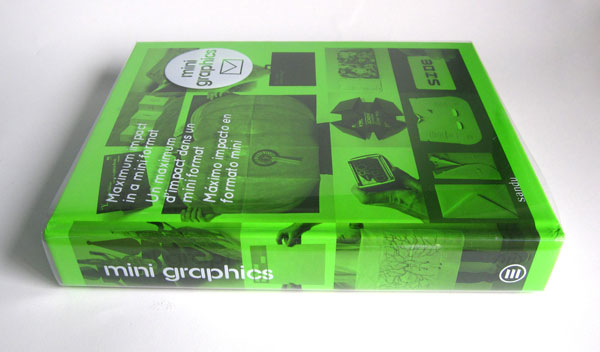
Second, the foreword for a new book from Sandu Media called Mini Graphics, an exploration of small-scale graphic design projects.

Mini Graphics Ian Lynam

An excerpt:

Go small.

Scale is a funny thing. Graphic design practitioners consider it daily on a relative scale- the size of a logo in relation to a business card, book title in relation to the size of a title page, or glossy button in relation to the size of the desired user’s browser. Beyond the design project itself, scale in terms of critically assessing professional practice is also valuable, especially in contemporary times- a juncture where there is such a variety of models as to what professional practice can be.

Mini Graphics Ian Lynam

More and more, the boundaries of graphic design as a profession are widening. The potential of design as a small-scale, craft-centric practice that exploits the potential of on-demand production both in production and deployment has been more fully realized in the contemporary context. The main tool of contemporary graphic design- the personal computer- has become an increasingly affordable object to attain as of late and ease-of-use of this tool has developed more fully as computers themselves have become more sophisticated and powerful.

Mini Graphics Ian Lynam

This tide shift in the technology and tools of graphic design and reprographics over the past decade is hugely important. Graphic design is an evolutionary process, and while it seems to move slowly to practitioners, it moves infinitely faster than other communication practices. These changes are both immediate and gradual, and they affect many aspects of graphic design- from process to product. Most immediately noticeable is how technology affects the final product. As evinced by the work in this book, graphics are no longer simplistic, unified brand signifiers rendered by previous generations. Designers today use broader palettes of color, form, space, and sheer methodology to achieve their results.

Mini Graphics Ian Lynam

I have a number of projects featured in the book, including the identity design for my own design studio and identity projects for a handful of clients and collaborators.

Mini Graphics Ian Lynam

You can see a number of photos of the book in the Writing section of this site, as well.

04.13.2010

zinesmate2nds

A number of pieces of my writing and design are now available in Harajuku at the Zine’s Mate shop within Vacant Gallery. Info here.

04.11.2010

bccj001

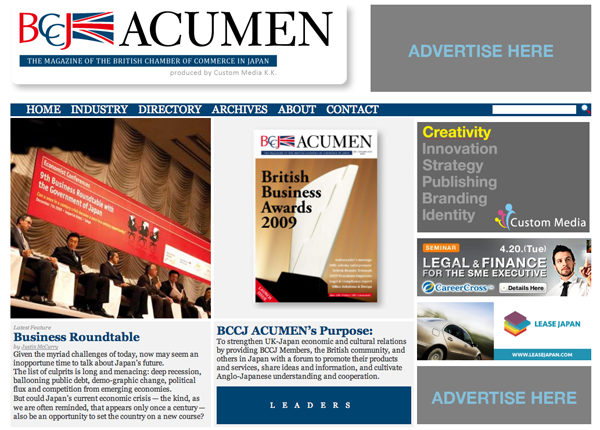
Just launched: a new website for the British Chamber of Commerce in Japan’s magazine, Acumen.

04.07.2010

immigrant1

Website refresh for Immigrant Film, LLC.

worthington

My typeface Rubber Vloeren as used by Michael Worthington in his poster for the exhibition Forms of Inquiry at the Architectural Association in the U.K.

04.06.2010

Lesque Ian Lynam Design

New Lesque decks in the latest issue of Ollie Magazine.

04.05.2010

1971_006

New little series of graphics for Néojaponisme as of last week called “Do You Remember?“. A revisit of an older project.

Also, my students are exhibiting motion graphics and print work at Temple University Japan’s end of the semester exhibition. Included are a passel of type history zines and a montage of assorted projects. Photos to come…

Also, Stacker in use for the new Brian Roettinger/No Age split 7″.

Picture 10

03.29.2010

nonaca1

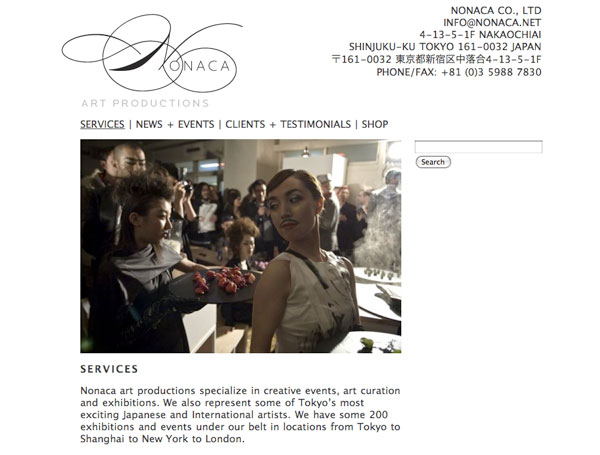
New identity and website for Tokyo art production company, Nonaca.

03.26.2010

cruller

Crüller, a new typeface I designed based on a sample of anonymous German lettering from 1910 is available now via MyFonts.

03.24.2010

grafuck001

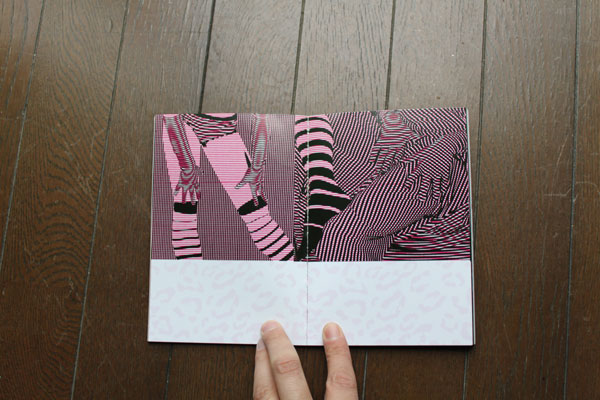
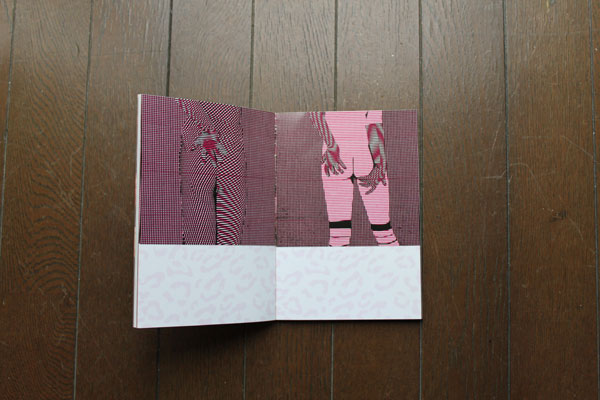
Old work- some moiré sexiness for Grafuck.
grafuck002

grafuck003

03.23.2010

pi002

Latest installment in the Poster Initiative series is now being distributed around Tokyo.

02.20.2010

Ian Lynam: Idiot

My new monthly column for Snow Magazine launched today. The first installment is a rambling pontification on the qualities of time travel, the prediction of the future, and rappers.

Meeting Modernity exhibition in Yokohama

Meeting Modernity

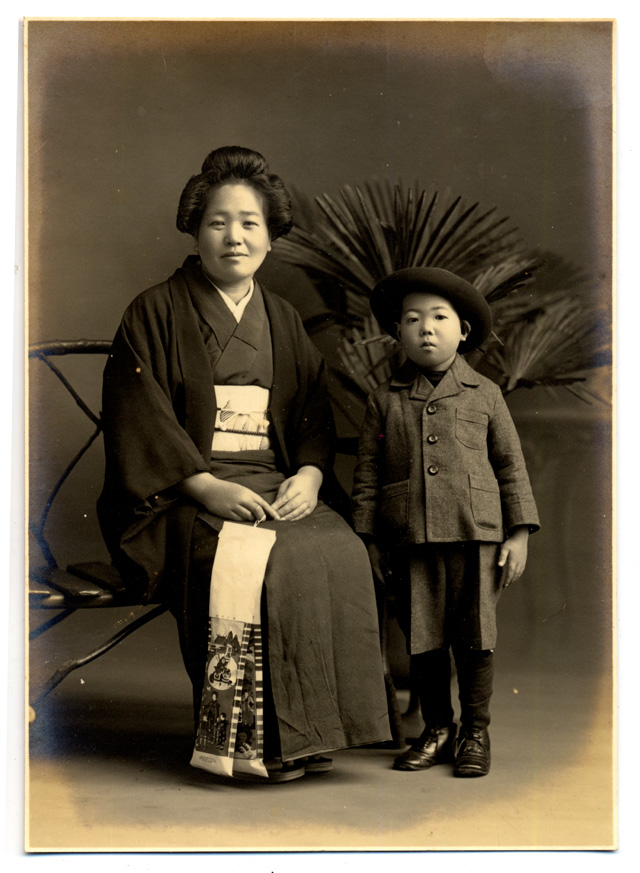
The Meeting Modernity series of found photographs is the focus of Néojaponisme’s first traveling exhibition. Recently unearthed outside of the city of Sano in Tochigi-ken, this series of pictures documents Japan as it engaged with modernization and commercial photography in the Meiji and Taishō Periods. The series is comprised of portrait photography in particular.

The exhibition makes it’s fourth appearance at Suzu No Ki Café / すずの木カフェ in Yokohama this month.

Meeting Modernity is accompanied by a trio of essays by Ian Lynam, W. David Marx, and Matt Treyvaud reflecting the collection of photographs, the history of Japanese photography, commercial art, and Japanese society.

A limited edition of full-color Meeting Modernity postcard sets from the previous exhibition in Los Angeles’ Young Art are available at Suzu No Ki, as well as a few Néojaponisme-related items.

MEETING MODERNITY
March 13–April 1 2010

More:
Suzu No Ki
〒253-0043 神奈川県茅ケ崎市元町4-32
0467-82-3411
11:30〜18:00
日・月定休(祝祭日は営業)

We heartily encourage you to visit the exhibition.

03.17.2010

Boul Mich

The digital debut of Oz Cooper’s “Moderne” Broadway-esque titling typeface, Boul Mich, available now from MyFonts!

1927 was a discouraging year for Oswald Bruce Cooper, having to devote his time to developing faddish display typefaces based on others’ designs in lieu of truly original work.

Though he sidestepped blame in his essay On Cooper Type Faces, Barnhart Bros. & Spindler’s General Manager Richard N. McArthur was the one responsible for assigning Cooper busywork. McArthur put together a sampling of Broadway-esque hand lettering from assorted advertisements, suggesting a very specific incising treatment.

Cooper drew the basic forms of the letters, leaving the bulk of the work to the pattern makers at BB&S, but provided the framework from which the typeface was drawn. The typeface was named Boul Mich, after Michigan
Boulevard, Chicago’s mix of carriage trade shops, elegant residences, artists’ studios, and Bohemian side streets. While not a design of Cooper’s choosing, this modern typeface is a paean to the flexibility of Cooper’s skill.

Cooper Initials are offered in their original capital alphabet form in this digital version, with no supplementary characters.

The release of these two typefaces coincides with the publication of the definitive Oswald Bruce Cooper biography by Ian Lynam, published in Japan’s Idea Magazine issue #339. Cooper’s biography is delivered in English and Japanese with numerous full-color illustrations of never-before-published work.

Boul Mich has been lovingly redrawn from Oswald Bruce Cooper’s original drawings and mechanical proofs. It is comprised of a capital letter alphabet, full European character set, figures, and full range of diacritics.

Boul Mich is available now via MyFonts.

03.17.2010

Kunst!

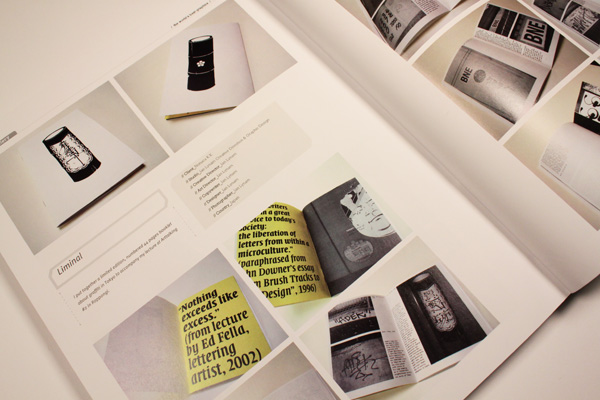
Liminal will be featured in the upcoming exhibition, Salon für Kunstbuch: An Artwork as Enterprise

The exhibition opens on March 20, 2010 at the Museum of Contemporary Art in Leipzig, Germany.

Curated by Nini Palavandishwili, Brigitte Schöppner, Barbara Steiner

Info:
Museum of Contemporary Art
Karl-Tauchnitz-Straße 9-11
D-04107 Leipzig
www.gfzk.de

Hours:
Tue-Fri 2pm – 7pm
Sat-Sun 12pm – 6pm

03.16.2010

synapse

A heap of new, old, and exploratory identity design work. Firstly, the identity for Synapse, a comprehensive, proprietary inter-office electronic communication system developed by Yokohama’s EDVEC Corporation that incorporates bulletins, email, a kairanban system, and file transfer client.

m31_01

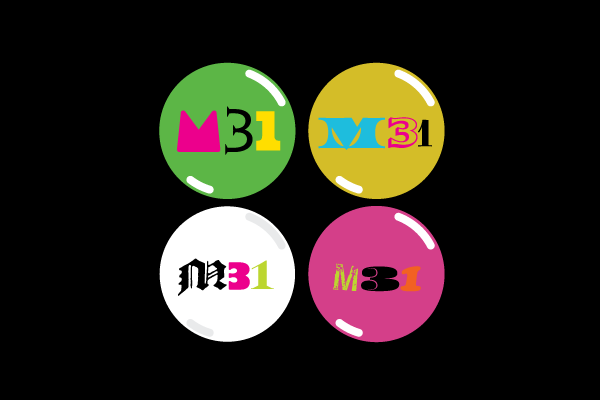
A logo super-family for Jean Snow’s M31 production company. See the full identity in the Identity Design section.

hifana

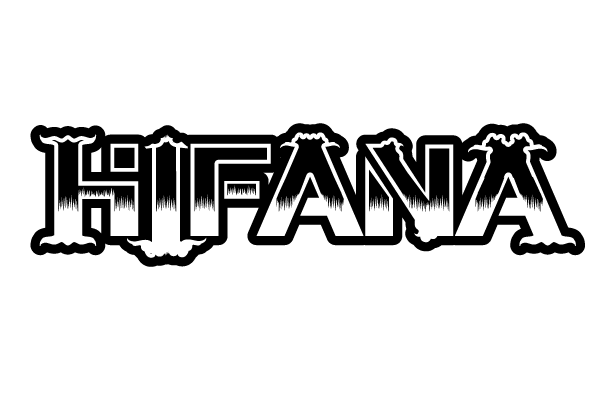
An older logo for Tokyo hiphop duo Hifana incorporating Thai ornament.

hkm

A proposed logo for NY/LA film production company HKM which ultimately was passed on, though I still like it a lot.

Lynam_paranoid_park

Another wayward soul- a logo option provided to Gus Van Sant for the production identity of his film Paranoid Park.

Lynam_gg

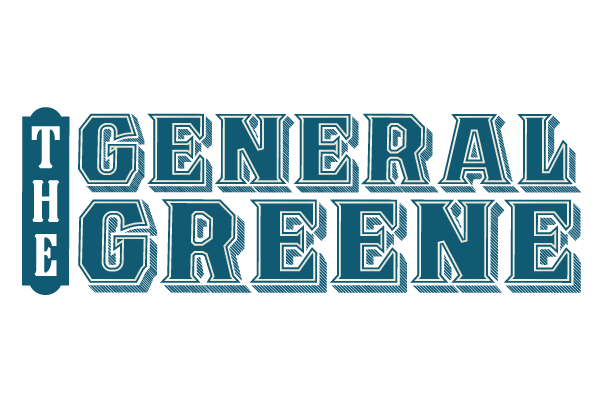
A logo for Brooklyn restaurant The General Greene. The restaurant was oddly inspired by the city of Albany, two hours north of NYC, and my hometown.

plazm

A sneak peek at a detail from my upcoming Plazm Thread tee shirt, as well.

nonaca

And, finally, a brand spankin’ new identity for the Tokyo art production company Nonaca.

03.13.2010

locks2_lg

New cover design for the latest Crimethinc release, A Guide to Picking Locks #2, available from Microcosm.

03.07.2010

owl_03

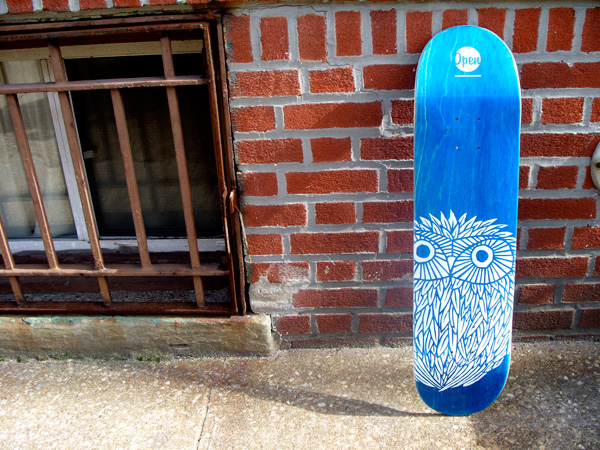
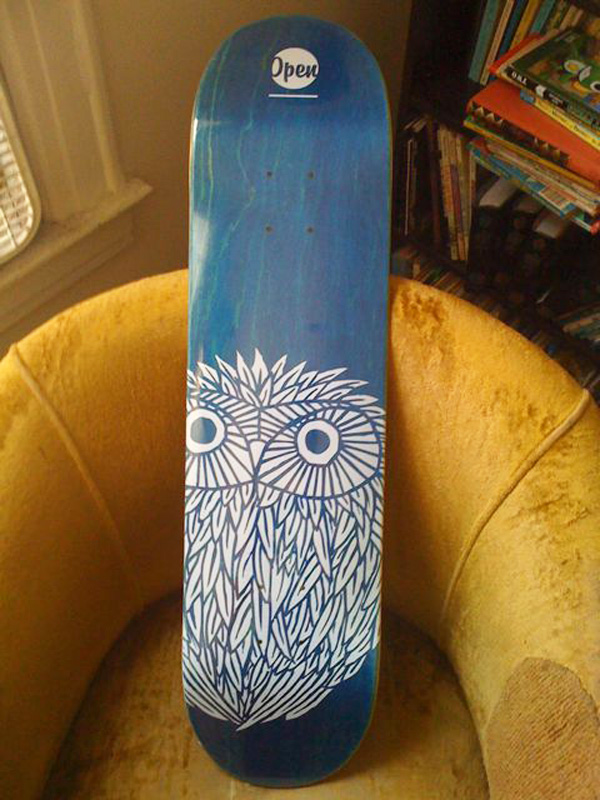
Nicer shots of the new Open Owl deck now in here.

03.05.2010

gangsta_willy

New seasonal collection of skateboards for Lesque in the Print & Product section. Lesque race queen Gangsta Willy shows off the new line blurrily above.

liminal2

Second printing of Liminal available now. Eight dollars postpaid via Paypal to ian (at) ianlynam.com

03.03.2010

Cooper Text Ian Lynam

New typeface set out now via MyFonts: Cooper Text.

Cooper Text is a comprised of two fonts- Cooper OldStyle and Cooper Initials. Cooper OldStyle is a round-serifed text typeface, while Cooper Initials are ornamental capitals designed for use as complementary drop caps.

Cooper OldStyle has been lovingly redrawn from Oswald Bruce Cooper’s original drawings and mechanical proofs while Cooper Initials have been drawn from a sample in the seminal monograph of Cooper’s work, The Book of Oz.
Cooper OldStyle was originally released as a non-kerning typeface, which offered limited use for text setting. Oz Cooper was never quite happy with the copious amount of “air” around the typeface’s characters, so this definitive version has been painstakingly spaced and kerned for even text-setting.

Cooper Initials is a set of three typefaces:
Cooper Initials, the base form derived from Cooper’s original design
Cooper Ground, blocks of solid color that match the proportions of the Initials and which can be used to add a background color to the typefaces through layering
Cooper Capitals, the lone letterforms within the initials, which can be layered to add highlight color to the letterform component of the set

These typefaces can be paired with Cooper Italic Complete for setting long lengths of text.

Cooper OldStyle Ian Lynam

The history of these typefaces:

Cooper OldStyle is the result of Barnhart Brothers & Spindler type foundry representatives Richard N. McArthur and Charles R. Murray having met with Oswald Cooper and his business partner Fred Bertsch in 1917. Due to other commercial design firms adopting Cooper’s style of lettering throughout the Midwest, both companies came to an agreement to create a family of types based on Cooper’s advertising lettering. McArthur and Murray saw the biggest potential in the super-bold advertising lettering that would become Cooper Black, but agreed that a roman weight old style should be executed first, the logical progenitor to a family or related types.

The foundry requested that the roman have rounded serifs so as to more specifically correlate to the planned bold. This was the first of many tactical strategies in type design between type designer and foundry, most specifically McArthur and Cooper, whose back-and-forth relationship in designing, critiquing, and modifying letterforms was integral in shaping the oeuvre of type designs credited to Cooper. While it was Cooper’s sheer talent in shaping appealing and useful alphabets that made his work so popular, McArthur’s role as critic and editor has gone largely un-noted in the slim amount of writing of length about Cooper’s work.

Cooper and McArthur went back and forth over the design of the roman face for nearly two years with Cooper, constantly redrawing and revising the typeface to get it to a castable state. The capitals were successively redrawn by Cooper, with particular care paid to the “B” and “R” to make them relate formally. The lowercase was redrawn numerous times, as were experiments in shaping the punctuation. McArthur requested a pair of dingbats to accompany the typeface, along with a decorative four leaf clover ornament “for luck”.

Cooper included a slightly iconoclastic, cartoonish paragraph mark, as well as decorative end elements, a centered period, and brackets with a hand-drawn feel.

The final typeface is a lively, bouncy conglomeration whose rounded forms dazzle and move the eye. Originally called merely “Cooper” in early showings, the name was later revised to “Cooper Oldstyle”. The typeface met with a warm reception upon release in 1919, the public favoring its advertising-friendly, tightly-spaced appearance. Sales were moderate, and the face was considered a success.

Cooper originally drew the figures the same width as the “M” of the font, but revised them to the width of the “N” at the request of McArthur. Early versions of drawings of the slimmer figures are noted as “cruel stuff” in accompanying notes by Cooper, though they were versioned out into far more elegant numerals than the earlier stout figures. Both versions of the numerals are included in the digital release, as are the ornamental elements.

In 1925, McArthur and Murray requested a set of ornamental initials. Cooper designed the initials open-faced on a square ground surrounded by organic ornament. The initials were “intended to be nearly even in ‘color value’ with that of normal text type”. The letterforms themselves are a medium-bold variation on the Cooper OldStyle theme, lacking the balance of Cooper’s text faces, but charming nonetheless.

Cooper Initials are offered in their original capital alphabet form in this digital version, with no supplementary characters.

The release of these two typefaces coincides with the publication of the definitive Oswald Bruce Cooper biography, published in Japan’s Idea Magazine issue #339. Cooper’s biography is delivered in English and Japanese with numerous full-color illustrations of never-before-published work.

Available now via MyFonts.

03.02.2010

42

New season of Lesque decks out now. Photos soon.

02.27.2010

mini_ian_lynam

I wrote the foreword and have a bunch of new work in the brand spankin’ new book Mini Graphics, published by Sandu Media.

02.24.2010

igloo_projects

One from the archives: identity system for Portland/Brooklyn-based fabrication company Igloo Projects.

02.24.2010

dead01

New project in the Publication projects section- a new zine for Craig Mod’s Artalking lecture “How Dead Is the Book?”. This publication critically assesses the content of Craig’s essay and lecture.

02.23.2010

Open Skateboards Ian Lynam

New Open deck out now.

02.18.2010

Los Logos Ian Lynam

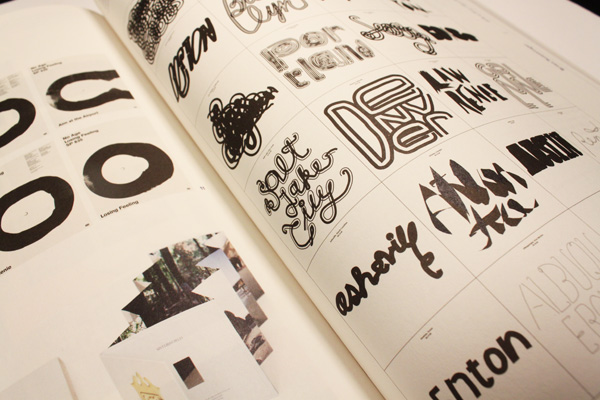
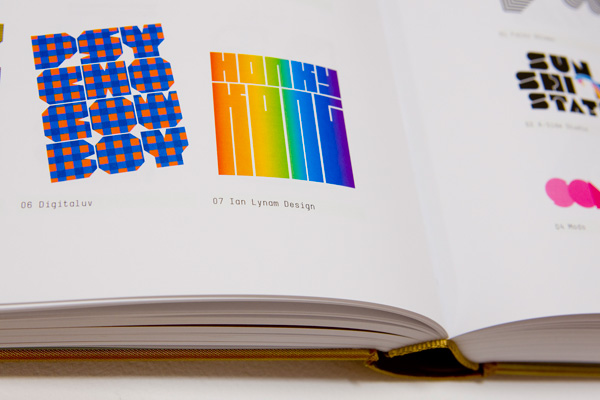
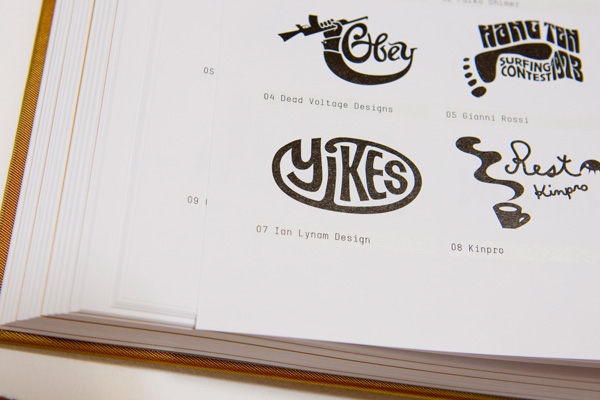
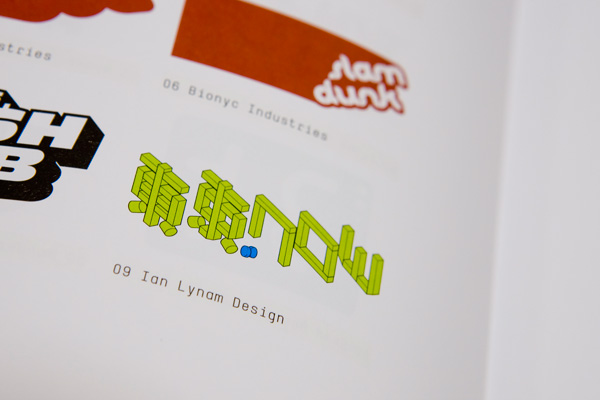
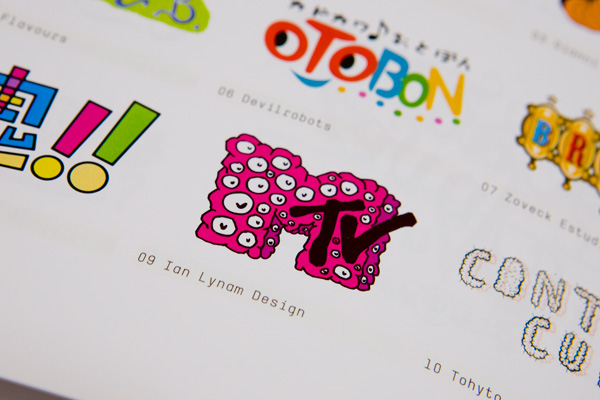
Copious amounts of work in the latest Los Logos collection from Die Gestalten Verlag. More in the next one, as well.

logos_book013
logos_book013
logos_book013
logos_book013
logos_book013
logos_book013
logos_book013
logos_book013
logos_book013
logos_book013
logos_book013
logos_book013
logos_book013

02.18.2010

matsuri_poster2

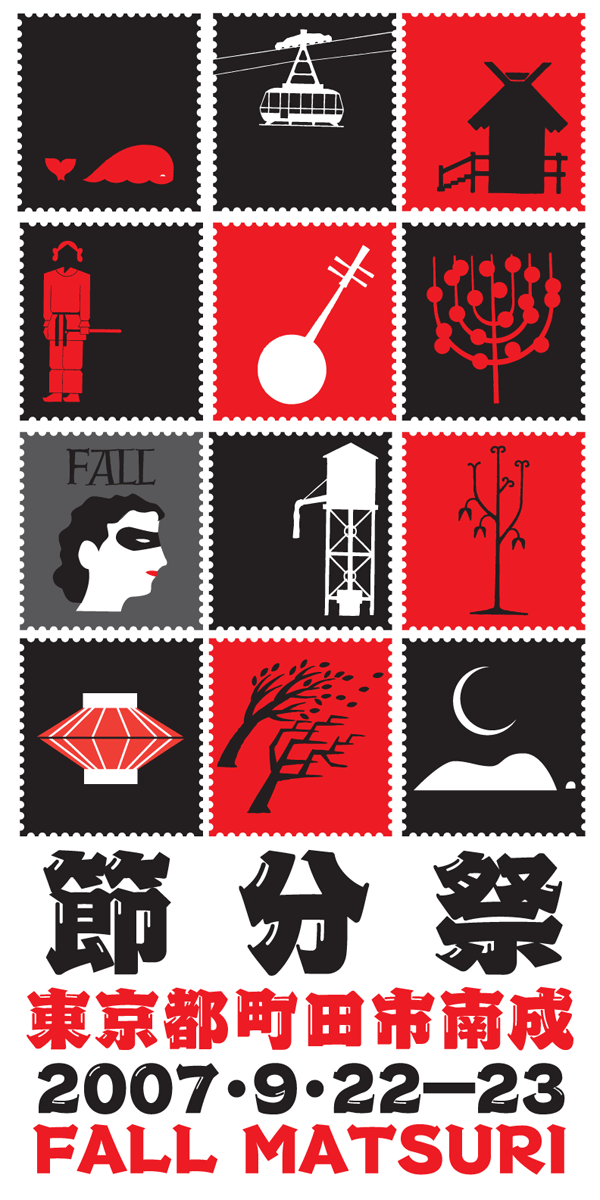
From the archives: Naruse Matsuri poster circa 2007.

02.18.2010

Asics Olympics Ian Lynam

Stage two of the collaborative website I’ve designed with AQ for the Asics Olympic team now online. It includes new animated content, as well as many other goodies!

02.17.2010

Ian Lynam at Whisky Live

I will be doing a live painting session at the Whisky Live 2010 event at Tokyo Big Sight in Odaiba on Sunday, February 21 from 4:30PM to 6:00PM. Kyoto Jazz Massive will be performing live accompanying the painting. Info here.

02.16.2010

Cooper Hilite Complete

Out now: Cooper Hilite Complete!

Cooper Hilite Complete is a complementary set of two fonts- Cooper Black and Cooper Hilite. Either typeface can be used alone, or as a stackable, multi-colored set.

The history of these typefaces:
Cooper Black, the most famous and successful of Oswald Cooper’s type designs was released in 1920, following a year of development fleshing out the weight of the typeface and filling out the full character set. Cooper redrew the lowercase characters multiple times, toying with the rounded forms of the “m” and “n” and engaged in a lively debate with McArthur over the final form as McArthur requested that the typeface be drawn bolder and bolder. Cooper famously said the face was “for far-sighted printers with near-sighted customers”, and the public agreed. Sales of Cooper Black were voluminous, and Barnhart Brothers and Spindler had a difficult time keeping up with the demand for the typeface. Conservative typographers were critical of Cooper Black, though it was overwhelmingly popular, helping to shape the American advertising landscape through the 1920s and 1930s.

Cooper Highlight Complete

1925 saw the release of Cooper Hilite, the highlighted companion to Cooper Black. The design was executed by merely painting white incised negative spaces on a proof of Cooper Black.

Cooper Hilite Black

These two typefaces are the result of researching Cooper’s original drawings and series of engraved proofs for both typefaces. The typefaces include the full range of punctuation and diacritics that fill out a full character set. The typefaces have been lovingly kerned for the smoothest result in text setting.

Cooper Black

Available now via MyFonts!

10.15.2010

IMG_0383

Jonathan Ive, Apple’s senior designer (iPod, iPad, iTouch, et al) likes the YACHT logo so much that he and the Apple design team dropped some free custom laser-engraved iPods on the YACHT team last week.

02.13.2010

mothersbaugh

New bit of writing up in Scion’s magazine about my take on the work of Devo’s Mark Mothersbaugh.

02.10.2010

idea22

I wrote a 10,000 word essay called “Heft, Gravy, and Swing: The Life and Times of Oswald Cooper” for the latest issue of Idea. The essay serves as the definitive biography of the Chicago type and lettering designer, famed for his Cooper Black typeface.

idea22

The essay is the result of a long-dreamed of trip to Chicago to sift through Cooper’s original drawings, scarce writings, and working papers. Copiously illustrated with proofs of Cooper’s work, unpublished typefaces, and photographs of rare design work, his legacy is brought into contemporary focus. New biographical information about Cooper, his work, and his associates is discussed within.

Tons of images of the feature and a spicy excerpt in the Writing section.

02.10.2010

gallery1

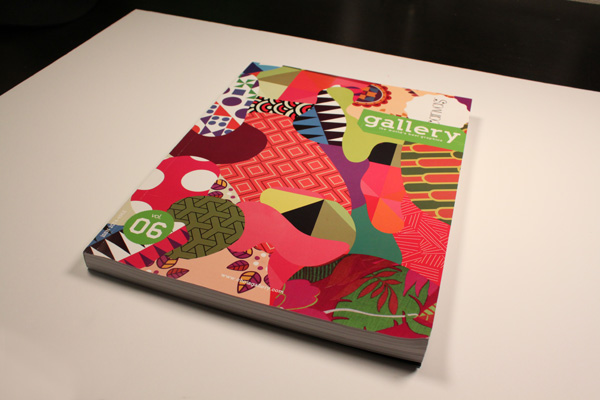
I have a bunch of work published in the latest issue of Gallery Magazine.

gallery1
gallery1
gallery1
gallery1
gallery1
gallery1

02.06.2010

lynam_poster

My latest print project, a double poster set called “Poster Initiative 004A” will debut at Grasshut in Portland, Oregon in the show “Staying Put”. The show opens tomorrow, February 6.

The show is a collection of prints from folks such as Yellena James, Tim Biskup, Scrappers, Chris Johanson, APAK, Mauro Gatti, Shawn Wolfe, The Little Friends of Printmaking, Studio Folk, and others.

Work from the show is available online here.

Location:
Grasshut
811 East Burnside
Portland, OR 97214
503.445.9924

02.01.2010

openskateboards

Open decks are now available at Grasshut in Portland!

Also, Trevor and I were interviewed on the blog Skatemodo about Open. Nice apostrophe use, Trev.

01.30.2010

celebrate

I also have work published in the new book Celebration Graphics Sourcebook: Festive Designs from All Cultures by John Stones, published in the United States by Rockport and globally by Rotovision.

01.30.2010

art_directing_projects_for_print

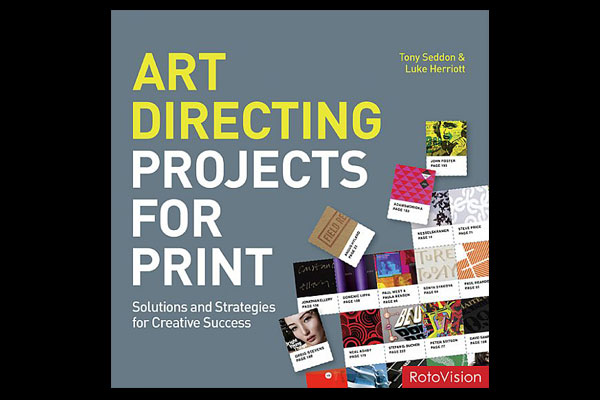
I have work in the new book Art Directing Projects for Print, also published by Rotovision.

01.30.2010

norules

A number of pieces of identity work I designed are featured in the new book No Rules Logos by British design author John Stones, published by Rotovision. The works are displayed prominently and given worthwhile analysis by the author.

01.30.2010

dreamydraw

One from the archives- Sun City Girls’ Dreamy Draw CD jacket design, Volume Two in the Carnival Folklore Resurrection series. Edition of 1,000 circa year 2000, though recorded in 1998. It features a photo of a kid hanging out at a halal meat market with a largely concealed slaughtered goat in the background. Brutal.

01.27.2010

600x375

Clobber Grotesk Bold is a new typeface just released via MyFonts. It was one of a two-part family originally designed for a metal-cutting business, as they were seeking bold letterforms for their custom aluminum furniture that would be readable at very small sizes.

Clobber is a fairly traditional grotesk, designed in the same vein as Akzidenz Grotesk and a number of anonymous grotesks, though with the addition of slightly flared terminals.

01.23.2010

openshirt

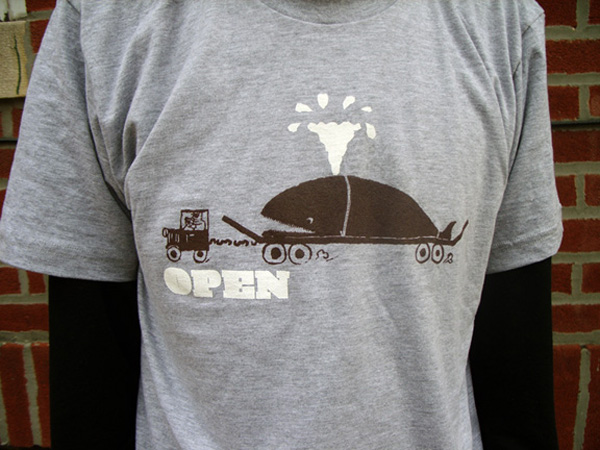
New tee shirt for Open Skateboards, an homage to the late Japanese graphic designer Kiyoshi Awazu. Available for online ordering here.

01.21.2010

Cooper Fullface Italic

Just released via MyFonts, my latest typeface release is the definitive version of Oswald Bruce Cooper’s great lost typeface Cooper Fullface Italic.

At the end of 1927, Oswald Bruce Cooper yearned to create a heavy “modern” face- akin to Broadway and other display types in height and proportion, but more nuanced while being a dense, black type. The Barnhart Brothers & Spindler foundry, for whom Cooper had designed a number of typefaces, saw the potential of the typeface as a big seller. Richard McArther, General Manager of the foundry, referred to it as “the hotsy stuff”, though he was highly critical of a number of characters in the original design. He requested a successive number of modifications, including the addition of Dwiggins-inspired serifs to the face to make it stand apart from similarly-weighted typefaces then on the market. He wanted to imbue the face with a considerable amount of “old-timey” flavor in order to impart a sense of originality to the face and have it sell across both Modern and Bodoni/Didot market segments.

The resulting typeface was called Cooper Fullface, a jaunty and swollen caricature of a Didone with great potential for display advertising work. The final form of the face was a regulated and consistent balance of cartoonishness and earnest visual braggadocio, the bouncy, circus fairway-like swing of the original drawings of the letters taken down considerably and figures redrawn and redrawn for maximum readability.

A specimen sheet was mailed out in 1929, and generated moderate sales, but too late- Barnhart Brothers & Spindler closed its foundry division shortly thereafter as part of ATF’s corporate roll-up of manufacturing. The American Type Founders continued to produce the face and sell it at a decent pace, renaming it Cooper Modern.

Cooper designed a matching italic for Cooper Fullface, but it was never released. The BB&S foundry closure resulted in the foundry equipment being shipped to New Jersey a few weeks shy of the typeface’s completion. It is unfortunate, as the accompanying italic is perhaps Cooper’s masterpiece, a lively Bodoni-esque italic with more than a bit of influence from 19th Century display types, particularly in the treatment of the ball serifs on the uppercase “A”, “J”, “M”, and “N”. Cooper Fullface Italic stands as the until-now missing bookend to Cooper’s career as a type designer.

This digital release is the revival of that lost Cooper typeface, Cooper Fullface Italic. Within are two typefaces- Cooper Fullface Italic and Cooper Fullface Italic Fancy. The two faces span the range of Cooper’s original drawings- the Fancy typeface utilizing a number of alternate characters.

These two typefaces are the result of researching Cooper’s original drawings and series of engraved proofs for both typefaces. The typefaces include the original ligatures, original Oz Cooper ornaments, fancy swash characters, and a range of punctuation and diacritics, et al, that fill out a full character set. The typefaces have been lovingly kerned for the smoothest result in text setting.

Available via MyFonts.

01.20.2010

grasshut

New logo for Grasshut Corp. in Portland, Oregon.

Sounds of English

New typeface design for Simon Vickers called Sounds of English. SOE is a phonetic typeface based on English pronunciation.

grasshut

New tee shirt graphic for Los Angeles’ Anarchist Book Fair.

01.16.2010

Two new font releases on MyFonts this week.

600x375 2

The first is the definitive version of Oswald Bruce Cooper’s classic typeface Cooper Italic.

1924 saw the release of Cooper Italic, the italic companion to Cooper Oldstyle. Cooper Italic possesses “a most unusual swing” in a number of the characters, most specifically the scooped, pigeon-toed feet of the lowercase “n”, “h”, and “m”. These idiosyncratic characters are offset by more stately and assured capitals. Cooper said that his Italic is “much closer to its parent pen form than the roman” and “that freedom is almost the life of it”.

Cooper was a firm believer in creating humanist letterforms that echo the hand that created them, not wringing the life out of them through refinement and mechanization. In Cooper’s own words about Cooper Italic, “The designer is conscious of its crudity, and of its irreverence for the best traditions. But he believes that there are enough good types already– that the need is for poor types that can be used! And since he admits this to be a poor one, there now remains to be found out only whether it is usable or not.” Cooper was long a believer that good type should be homely- if too pretty or sleek, it’s lifespan would be exponentially shortened.

cooperswashos

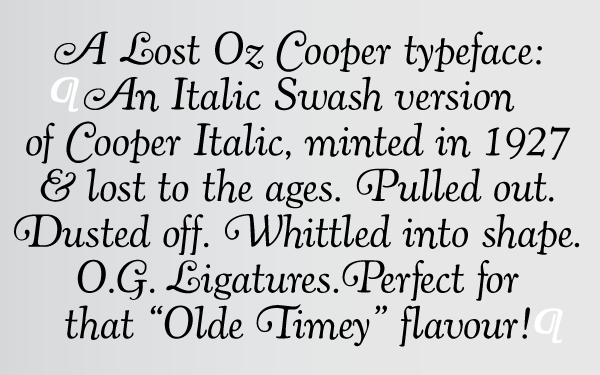
Cooper designed a set of swash capitals to pair with Cooper Italic in 1927 that had not been released until now. The swash capitals are a lively interpretation of round serifed oldstyle caps mixed with classic Caslon italic forms.

These two typefaces are the result of researching Cooper’s original drawings and series of engraved proofs for both typefaces. The typefaces include the original ligatures (never before released digitally), the previously unreleased Swash characters, and a range of punctuation and diacritics, et al, that fill out a full character set. The typefaces have been lovingly kerned for the smoothest result in text setting.

Cooper Italic Complete is available from MyFonts here.

600x375

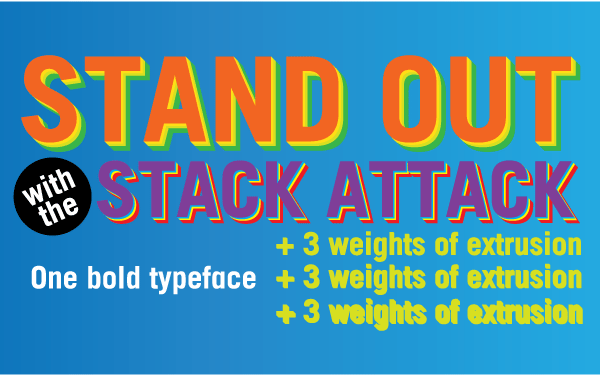
The second typeface release is called Stacker. Stacker is a display gothic typeface with three weights of extruded typefaces that can be used to project the main typeface spatially.

Originally designed for Beautiful/Decay magazine, then picked up for Nokia’s 2006 Europe campaign, Stacker is a bold, lively, attention-grabbing display face.

The extruded faces can be used in a standalone manner, as they have been by electronic musicians such as YACHT and E*Rock.

Stacker is available from MyFonts here.

01.13.2010

tuj2

Last chance to sign up for Typography 101 at Temple University Japan.

The course has been expanded to include designing custom typefaces and programming digital fonts from them.

01.12.2010

yacht_ornaments001a

Updates site-wide! Above, Xmas ornaments for YACHT, included in the big YACHT update in the identity section.

yacht_hat002

Also in there, fitted cap for YACHT/the Fader. Collaboration with Jona Bechtolt of YACHT.

dill011

Poster, audio tour CD and booklet cover design for Portland’s Dill Pickle Club in the publication section.

13years001

Redesign of Microcosm Publishing’s zine compilation book 13 Years of Good Luck in the Publication section.

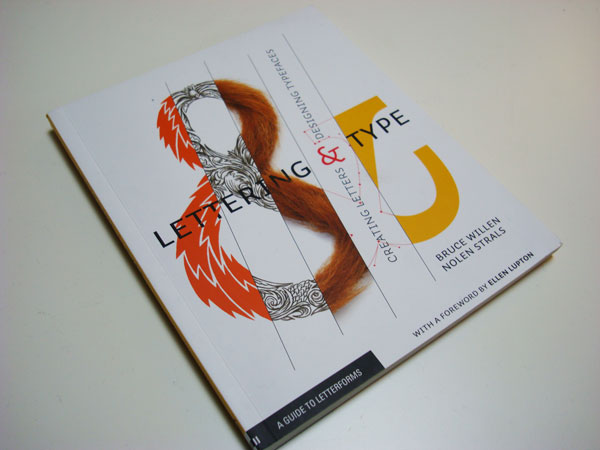
lettering001

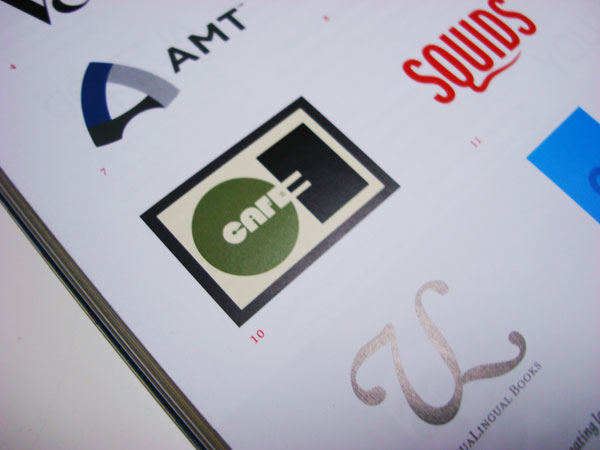
Logo design published in Post Typography’s book Lettering & Type Design, published by Princeton Architectural Press.

lettering001
lettering001
bm001

Previously mentioned, but not shown, CD and poster design for Blunt Mechanic (ex-Kind of Like Spitting) on Barsuk Records.

01.10.2010

clobber

Clobber Grotesk Stencil Bold is a new typeface I designed now available through MyFonts. Clobber marries crude stencil forms with extreme legibility/readability at small sizes.

01.09.2010

Unilever001_login

In the last quarter of 2009, we designed and implemented a massive, very code-intensive intranet for the Unilever corporation’s Japan division used to catalog and track market progress. Needless to say, we can’t show anything but the login screen, but it was a milestone for the studio in showing programming flexibility married with good design.

01.09.2010

asics1

Freshly launched and new in the Web Design section: The Asics Winter Olympics website. The last days of 2009 found me collaborating with the whiz kids at AQ on this content-riddled, photo-driven website for Asics footwear and the Dutch Winter Olympic team. This Dutch language website promotes Asics’ design of the Olympic uniform for the Vancouver Olympics through a lively mix of product imagery, custom animation, facts from history, and bold Native American-inspired graphic design.

01.07.2010

lep

Chomped recently in Portland- Le Pigeon chocolates! Yum!!

01.07.2010

600x375

Clobber is a new grotesk stencil typeface that will be available through MyFonts and Wordshape shortly. I designed the base forms a number of years ago for a small aluminum furniture manufacturer which they utilized for their branding. I’m currently working on a brand new family for them, so Clobber will shortly be available to the public. The typeface includes a full character set including uppercase, lowercase, figures, and the usual range of diacritics and accents.

12.24.2009

oz001

Happy holidays from a late night of transcoding, then encoding video and putting together type specimens from long lost typefaces of yore.

Two new projects up in Print + Product: the first season of Open Skateboards and the new Blunt Mechanic CD on Barsuk Records. Very amped on both.

I was just in Chicago doing research for a new article for Idea Magazine and had a bang-up time, diving deep in type history research on my absolute favorite, Oswald Cooper and hanging out with Nate and his sweet kittens, as well as bar Scrabble sojourn action with Aaron.

Thank you, Nate, for the couch space, for being so fricking awesome, and for putting up with my half-assed jet-lagged sleep schedule (though all should note that I got up daily at 8AM latest [!] to drag my ass down to the library. Talk about a Protestant work ethic on a guy, even a reformed Catholic… the lengths some will go to for the love of lettering….).

An extra-large shoutout to Paul Gehl and the tireless staff at the Newberry Library for being such awesome folks. Thank you for your interest, patience, and care. You honor the independent researcher. I salute you!

12.13.2009

samurai01

Lesque’s latest season in the latest issue of Samurai Magazine. New season polished off yesterday and en route to the States to be manufactured.

samurai02

12.08.2009

Peace Sweater

The Peace Sweater project that I worked on with Ryo Chikushi Bordini, Stefan Sagmeister, Oded Ezer, Dainippon Type Organization, and many others is now available online.

Peace Sweater

In TAB’s words:

Typography meets fashion with this limited edition sweater with a simple message. Top designers from around the globe contributed the word Peace in their own language, woven together into a harmonious typographic pattern and then printed on a beautifully tailored organic cotton sweater. More than a fashion item, it is an environmental and uplifting statement for a brighter future.

12.04.2009

freecopytokyo01

I did up a little katakana treatment of the logo for Free Copy, LA graffiti writer Eye One’s graffiti zine devoted to regional handstyles. He was in Tokyo recently and put together an all-Tokyo issue. You can download the pdf version here.

freecopytokyo02